
How to Choose a BiPAP Machine for Home Use

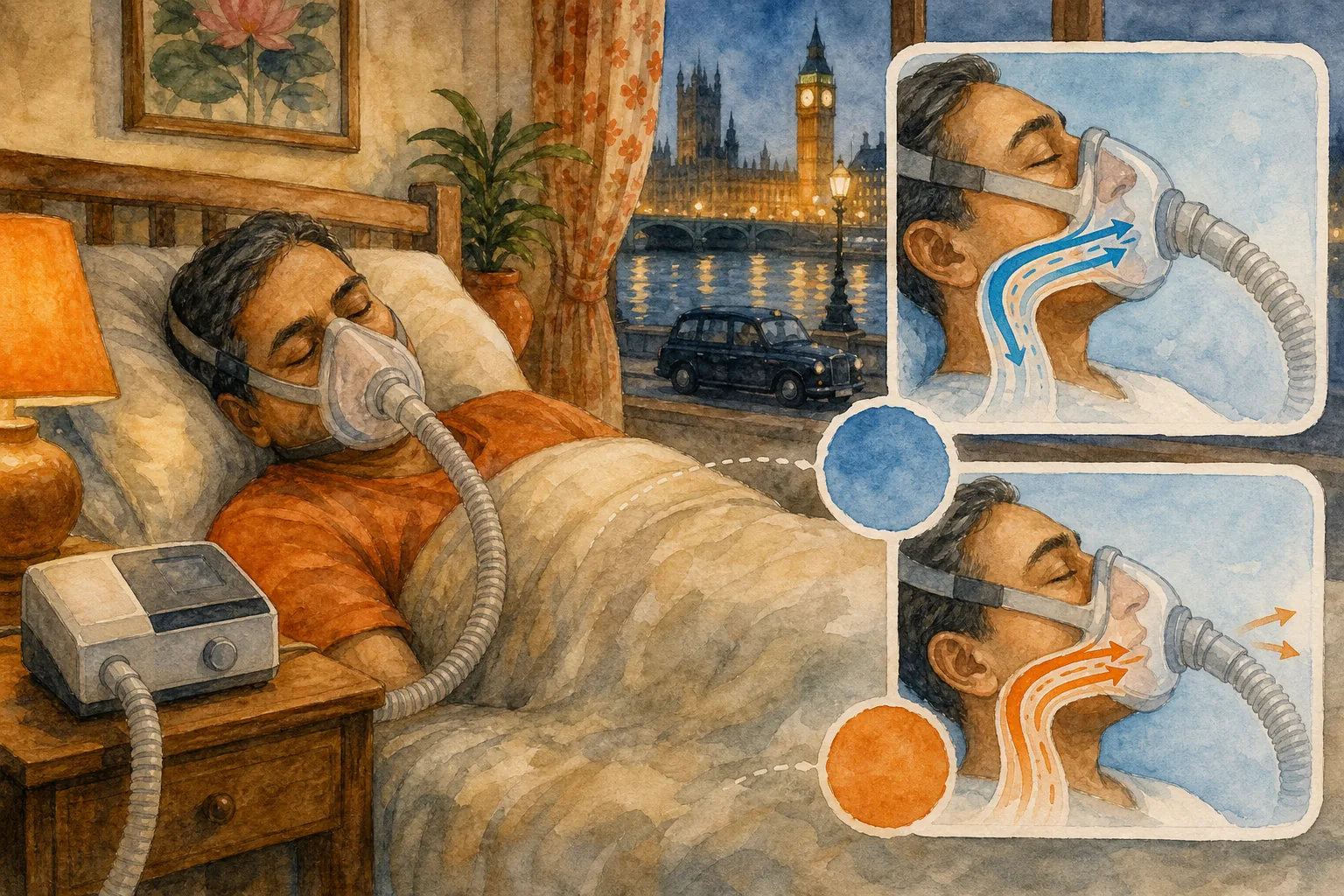
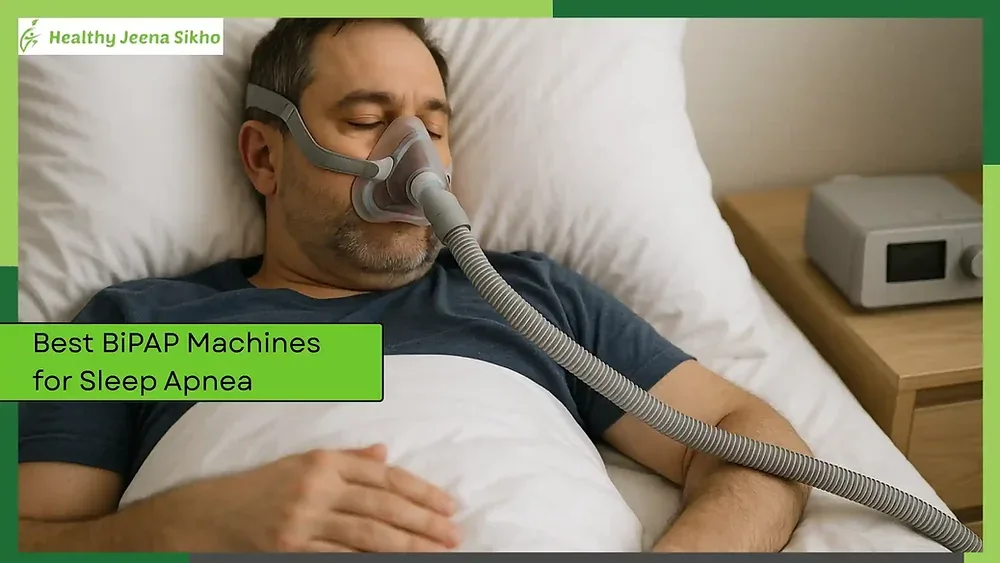
If you’re choosing a BiPAP machine for home use, start with the prescription, not the feature list. BiPAP gives different pressure during breathing in and breathing out, so the right mode and settings must come from your treating clinician.
We analyzed 70 comments from YouTube and Reddit about BIPAP machines for home use and found that 24% mentioned operational and interface problems.
Table of Contents
How BiPAP Works and How It Differs from CPAP
BiPAP, also called bilevel positive airway pressure, sends air through a mask at two pressure levels. The machine uses one level as the person breathes in and another as they breathe out. The treating clinician sets the therapy to match the patient’s needs. Don’t change those settings yourself.
CPAP uses one steady pressure through the breathing cycle. Some people find that pressure hard to breathe out against. BiPAP’s lower exhalation pressure may feel easier for some patients, but that doesn’t make it the right choice for everyone. A clinician decides whether the patient needs BiPAP, CPAP, or another form of support.
BiPAP may be prescribed for different reasons, including sleep-related breathing problems or other conditions that affect breathing. The diagnosis alone doesn’t tell you which mode to choose. The prescription and clinician’s instructions should name the therapy type and guide the settings.
If the patient is coming home after a hospital stay, ask the care team to explain the prescription before arranging equipment. Confirm the mode, the pressure instructions, and who to contact if the patient can’t tolerate the mask. Our guide to the differences between CPAP and BiPAP therapy can help you prepare those questions.
BiPAP isn’t a general upgrade to CPAP. It’s a different form of prescribed breathing support.
Which Features Matter for Home Use?
Check each feature against the prescription and the patient’s home routine. A long feature list isn’t useful if the machine’s mode doesn’t match the clinician’s plan.
Pressure and therapy mode
Ask whether the prescription calls for fixed or automatic pressure adjustment. Some machines support more than one mode, but that doesn’t mean a caregiver should switch modes. Have the clinician or trained provider confirm that the machine matches the written instructions.
Mask fit and comfort
The mask must suit the patient’s face and breathing needs. Ask how to check for air leaks and what to do if the mask feels uncomfortable. The right machine can still be hard to use if the mask shifts, pinches, or prevents restful sleep. Have the care team review any ongoing discomfort.
Humidification and noise
A humidifier may help if the patient feels dryness during therapy, but it can add weight and another part to clean. Home machine specifications vary, so ask whether the unit has a built-in humidifier and what care it needs. Noise is also worth checking in the room where the patient will sleep. If possible, ask to hear the machine running before settling on a setup.
Data and daily setup
Ask how the patient or clinician will review therapy use and whether the care team needs data from the device. Don’t assume every machine shares information in the same way. Also check where the machine will sit, how the tubing will reach the bed, and whether the patient can switch it on and off without help.
Families often focus on extra features before confirming the basics. Our notes on common BiPAP selection mistakes cover checks that can prevent a poor fit between the prescription and the equipment.
Key Takeaway:Match the prescribed mode first, then check comfort, humidification, sound, and data needs.
Preparing for Daily Use, Cleaning, and Travel
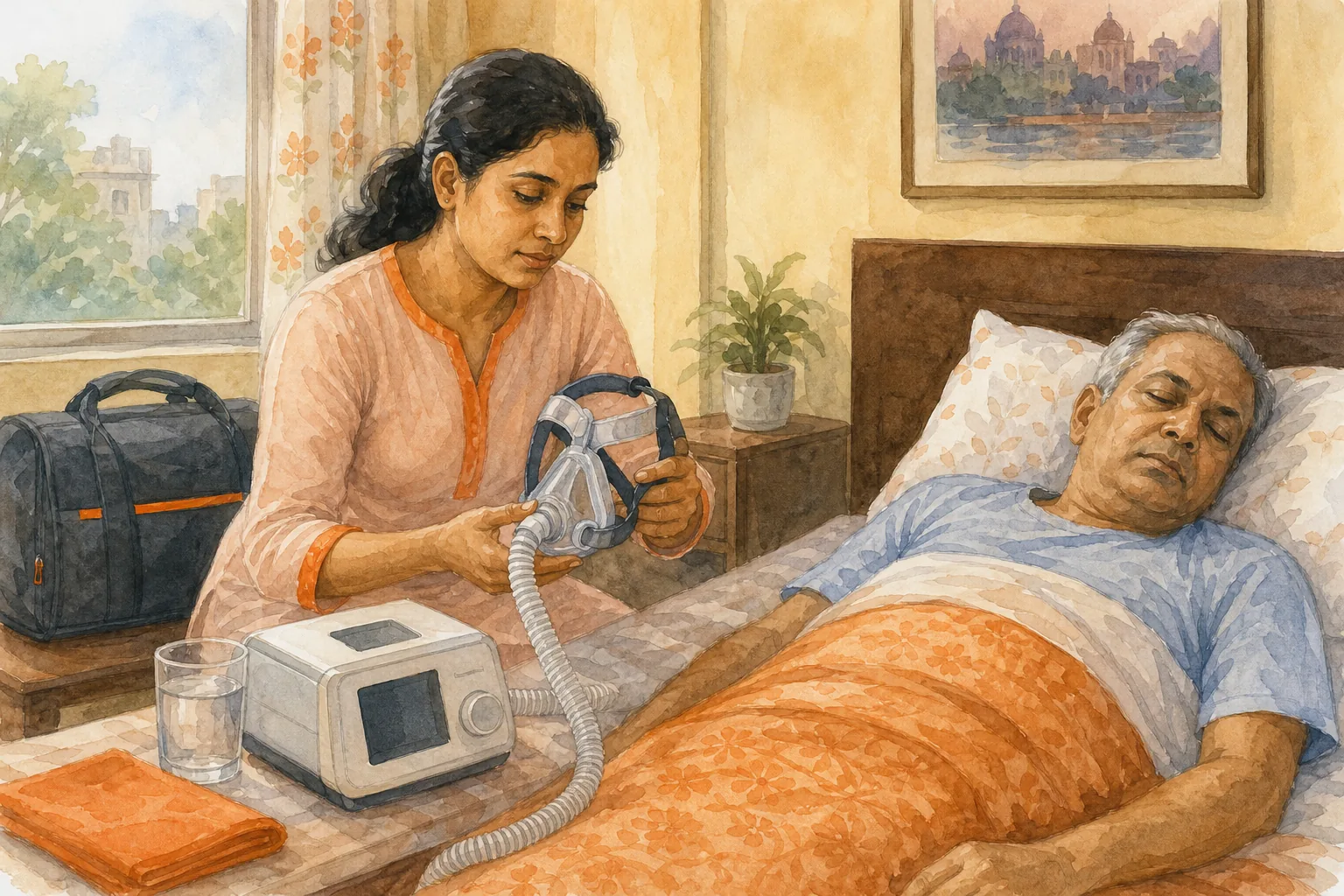
Before the first night, ask the provider to show the patient and caregiver how to set up the prescribed machine. Keep the written instructions nearby. Make sure everyone knows which parts connect and how to check that the mask sits as taught.
Agree on a simple routine. The patient should know where the machine will sit and how the tubing will be arranged before bedtime. Keep the air inlet clear, and place the unit where it won’t be knocked onto the floor. If the patient struggles to manage the setup, ask the care team to review it with the caregiver.
Cleaning and upkeep
Follow the cleaning schedule and methods in the device’s instructions. Ask which parts can be washed and how they should dry before use. If the setup includes a humidifier, check its care instructions too. Don’t use cleaning products or methods that the manufacturer hasn’t approved.
Look over the mask, tubing, and other parts during routine care. If something is damaged or no longer fits well, ask the provider what to replace. Persistent dryness, mask leaks, or discomfort should go back to the treating clinician rather than being treated by changing settings at home. Our guide to BiPAP care at home covers routine upkeep.
Travel and power needs
If the patient may travel, ask the provider whether the prescribed device is suitable for that trip. Check its size and weight, the power supply it needs, and whether the manufacturer supports an external battery. Don’t assume that a travel-friendly design has the same modes or features as a home unit.
Plan for the patient’s actual journey. A short move between rooms has different needs from an overnight stay away from home. Before leaving, confirm how to pack the equipment and what to do if power isn’t available. The manufacturer’s instructions and the clinician’s advice should guide that plan.
Renting or Buying: Costs, Fit, and Questions to Ask
Renting can suit a short recovery period or a trial at home while the care plan takes shape. Buying may make sense when the clinician expects long-term use and the family has confirmed the required mode. Don’t choose based on a low quoted cost alone. The machine must match the prescription.
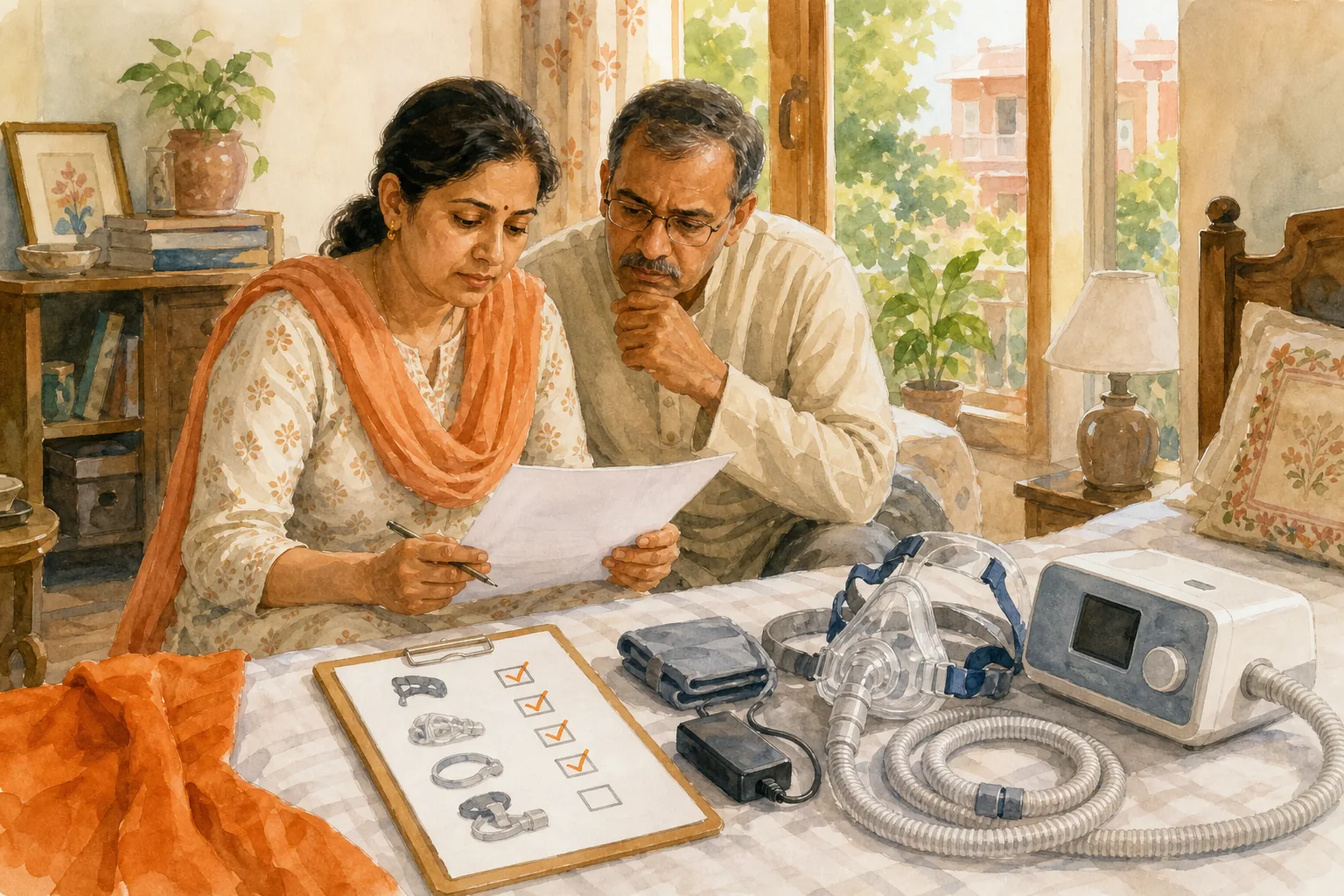
When you ask for a rental or purchase quote, confirm what equipment is included and how long the arrangement lasts. Ask who will help with setup and what to do if the machine or mask causes a problem. Check whether the quote covers the accessories the patient needs. Compare the full term, not only the first payment.
Also ask whether the selected machine’s pressure range and mode match the clinician’s written instructions. Ask how to verify the humidifier, sound level, weight, and data features for that exact unit. Product specifications can vary, so don’t rely on details from a different model.
For device-related questions, ask the seller for the documents relevant to the equipment you’re arranging.
For a temporary need, rental avoids committing to a purchase before the care plan is clear. Healthy Jeena Sikho provides home medical equipment on rent and for purchase. Its rental service covers a 15-city network in North India, while equipment sales are available across India. Compare rental and purchase costs for BiPAP equipment before choosing a term.
Pro Tip:Keep the prescription beside the quote. Check the machine’s mode against it before confirming the order.
Frequently Asked Questions
Who may need a BiPAP machine at home?
A person may need home BiPAP when a treating clinician prescribes bilevel breathing support. The reason can vary, so a diagnosis alone isn’t enough to select a device or mode. Ask the clinician to explain the prescribed therapy and settings, then use those instructions when arranging equipment for home.
Can I switch from CPAP to BiPAP on my own?
No, don’t switch therapy or change settings without the treating clinician’s direction. CPAP and BiPAP deliver pressure differently, and the right choice depends on the patient’s clinical needs. If CPAP feels hard to tolerate, tell the clinician what happens. They can decide whether the prescription needs review.
Does a home BiPAP machine need a humidifier?
Not every patient needs a humidifier. Ask the clinician whether humidification suits the prescribed therapy, then check whether the specific machine includes it. A humidifier can affect the device’s weight and adds parts that need care. If dryness or irritation continues, discuss it with the care team rather than changing therapy settings.
Should I rent or buy a BiPAP machine?
Renting can fit a short-term need or a period when the care plan may change. Buying can suit an expected long-term need after the clinician confirms the machine and mode. Compare the full rental term with the purchase cost, and confirm setup, accessories, and support before you decide.
Conclusion
Choose a BiPAP machine only after the treating clinician confirms the therapy mode and settings. If the need may be temporary, ask about rental before buying. Share the prescription with Healthy Jeena Sikho to check whether its rental service covers your location or to discuss equipment sales across India.
Comments