
BiPAP Machine Prices in India: What to Check

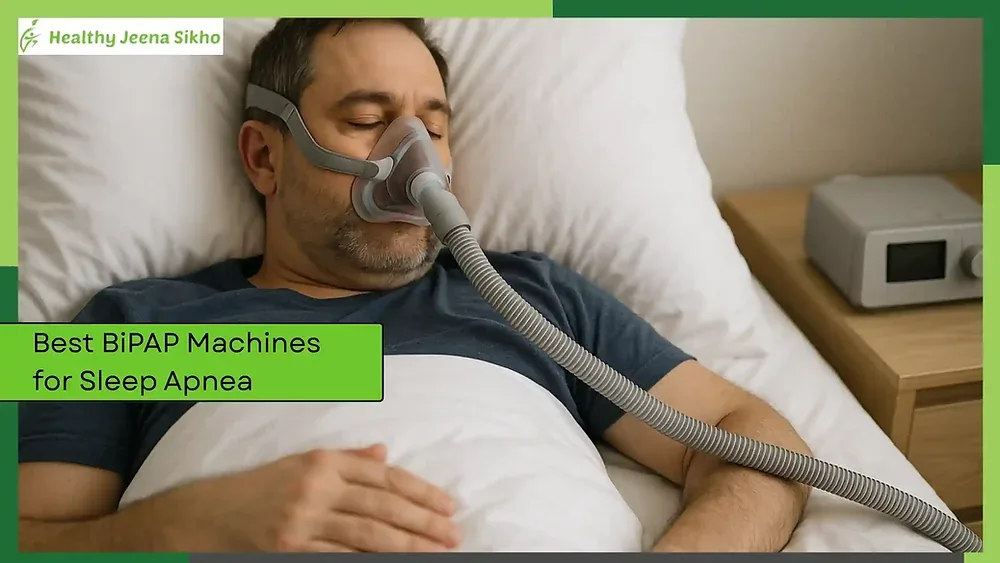
A BiPAP machine price comparison in India can feel hard when quotes show different modes and features. Start with the prescription, then compare what each quote includes and how long you expect to need the machine.
We analyzed 74 YouTube comments about bipap machines in India and found that 42% mentioned specific feature details and algorithms.
Table of Contents
What Determines a BiPAP Machine’s Price in India?
A BiPAP machine gives one air pressure while you breathe in and another while you breathe out. The purchase price depends on the therapy mode, the machine’s features, and the terms attached to the sale. A rental quote has its own cost structure, so don’t compare it directly with a purchase amount.
First, check the prescription. A basic bilevel mode and a mode with a timed backup breath don’t do the same job. Some devices also have more complex modes for specific breathing patterns. The treating clinician must decide which mode fits the patient. A lower quote isn’t useful if the machine doesn’t match the prescribed therapy.
Next, look at the pressure range. It’s a device specification, not a setting for a patient or caregiver to choose. One Philips BiPAP listing on Healthy Jeena Sikho states a range of 4 to 25 cm H₂O and notes a humidification option. Specifications can differ between models, so check the exact model name and specifications on any quote rather than assuming all devices from one manufacturer match.
Accessories also affect the final amount. Ask whether the quote covers the mask, tubing, humidifier chamber, filters, and power supply. If those items are separate, compare the total needed to start therapy, not only the machine’s listed price.
Warranty and service terms matter too. Ask how long the warranty lasts, what it covers, and how a repair is handled. If a device needs service during home use, you’ll want to know the process before paying.
There isn’t one fair price figure for every BiPAP machine. Match the model and included items first, then compare current quotes for that same setup. Our guide to comparing BiPAP costs by rental or purchase can help you set up that side-by-side check.
Healthy Jeena Sikho provides medical equipment for rent and purchase. Rentals are available within its service network across 15 North Indian cities, while equipment sales are available across India. Current purchase details are on the BiPAP purchase listings ; check the page and confirm the model, included parts, and terms that apply to your needs.
Which BiPAP Features Should You Compare?
Compare features against the prescription and the person’s daily routine. A specification only helps if it fits the treatment plan and can be used safely at home.
Therapy mode and pressure range
Ask the clinician to identify the required mode on the prescription or care plan. Auto mode can adjust pressure within clinician-set limits. ST mode includes a timed backup breath. ASV is a more specialized mode for some breathing patterns. These descriptions are only a starting point for a discussion with the treating clinician, not a way to pick a mode at home.
Check that the quoted machine supports the prescribed mode. Then compare its stated pressure range with the range the clinician requires. Don’t use the range to set or change pressure yourself. For example, Healthy Jeena Sikho’s Philips listing states 4 to 25 cm H₂O, but that fact doesn’t mean it is right for every patient.
Humidification, display, and sound
A humidifier adds moisture to the airflow. Ask if it is built in, supplied as an option, or sold separately. Confirm how the water chamber is cleaned and whether replacement parts are available. If the patient wakes with dryness or discomfort, discuss that with the clinician before changing the therapy setup.
Check the display in person or ask for a clear demonstration. Can the caregiver read the screen in the room’s usual light? Are the main controls easy to understand? Ask for the manufacturer’s stated noise level, then remember that people can perceive the same sound differently.
Size, power, and mask fit
Measure the space beside the bed. Include the power adapter when checking the machine’s size, and ask how it should be placed. Confirm what happens if power is interrupted, and ask the seller to explain any battery support that comes with the quoted model. Don’t assume a battery is included or infer its run time from a product photo.
Mask fit affects comfort and use. Ask whether the quote includes a mask and what type it is. If the patient already has a mask or tubing, have the seller confirm that the parts fit the machine. Similar-looking connectors aren’t proof of compatibility.
Portability and warranty deserve a direct check. If the patient moves between rooms or travels, ask how the device and power supply are carried. For warranty, get the term and repair steps in writing. Compare those details on the same basis across quotes.
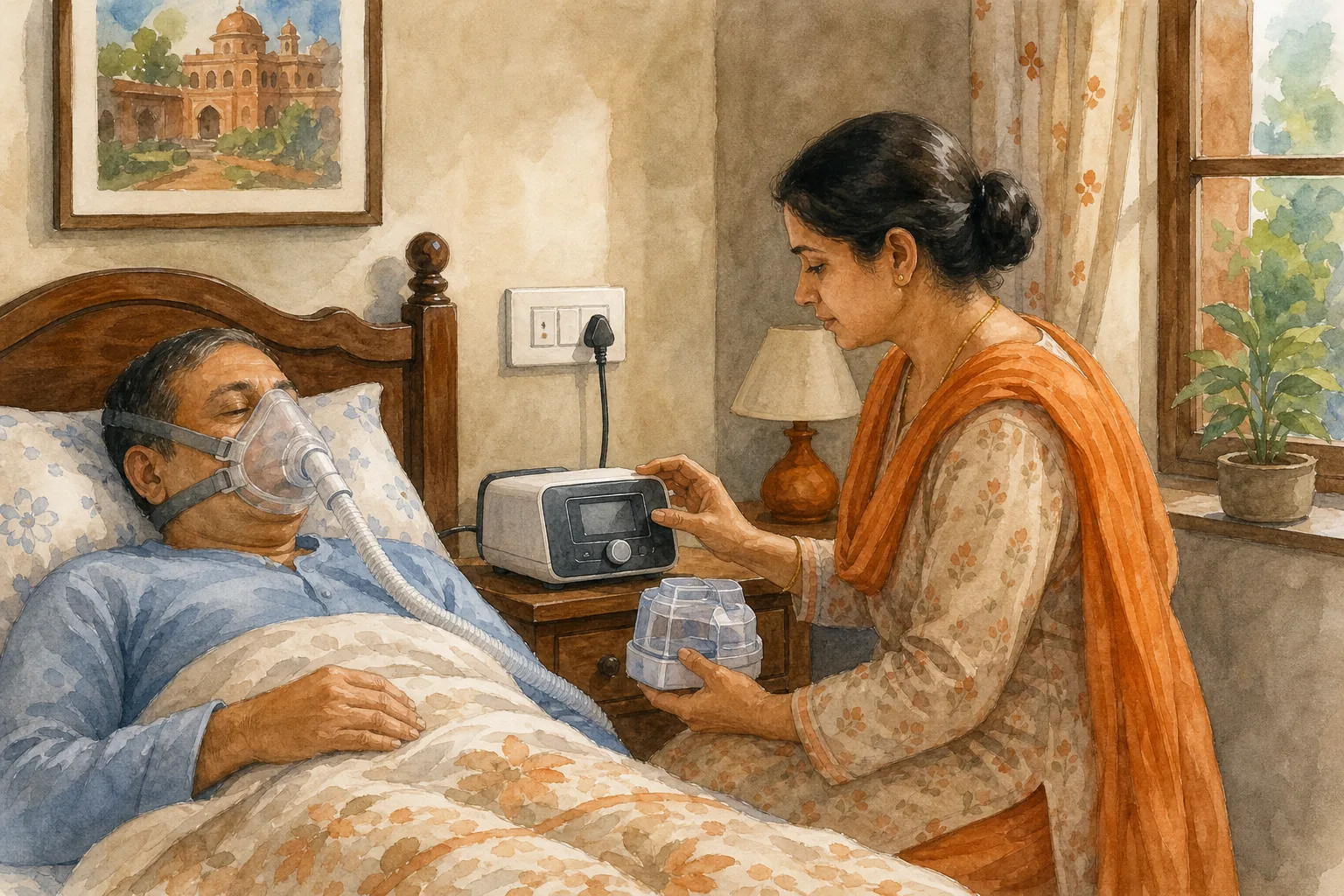
Pro Tip:Ask for the exact model name and a written list of included accessories. Keep both beside the prescription while reviewing the quote.
When Might a Clinician Prescribe BiPAP Instead of CPAP?
CPAP gives a steady pressure through the breathing cycle. BiPAP uses one pressure for inhaling and another for exhaling. That difference may help in some cases, but the clinician decides whether it suits the patient.
For obstructive sleep apnea, a clinician may consider BiPAP when a person needs a different pressure approach or finds it hard to breathe out against one continuous pressure. Severity alone doesn’t give a family enough information to choose. Diagnosis, test results, comfort, and response to treatment all matter.
Central or mixed sleep apnea can call for a more specific assessment. A clinician may consider a timed backup mode or another mode based on the patient’s breathing pattern. Don’t treat the mode name as a shopping feature that can be selected without medical direction.
BiPAP may also be prescribed for some people with COPD or for respiratory support after surgery. These are not blanket indications for every person with those conditions. The treating team weighs the patient’s condition and sets the therapy plan.
If a patient is leaving hospital, ask the discharge team to confirm the device type, mode, and setup instructions. Make sure the family knows who to contact for questions about treatment. A shop’s product description can’t replace those handover details.
Changing from CPAP to BiPAP doesn’t always mean every accessory must change, but compatibility depends on the parts and model. Ask the clinician or supplier to check the existing mask and tubing before you budget for replacements.
Keep the decision with the treating clinician. Families can help by sharing what feels uncomfortable, noting questions, and asking for a plain-language explanation of the prescription. They should not change pressure settings or switch modes on their own.
Should You Rent or Buy for Home Use?
Renting often fits a short or uncertain need. Buying may suit a longer-term plan when the clinician expects ongoing use and the family is ready to manage ownership. The right choice depends on expected duration, the prescribed machine, and the full terms of each option.
When renting may fit
Consider renting if the equipment is needed during recovery, while the care plan is being reviewed, or for a period the family can’t yet predict. A rental can avoid a large purchase commitment at the start. But check the minimum term, extension process, return steps, and any included support before confirming.
Ask what happens if the machine needs service or the patient’s prescribed mode changes. Confirm whether the rental can be adjusted to the new care plan and what the family must do if the equipment is no longer needed. Read the terms rather than relying on a verbal summary.
When buying may fit
Buying can make sense when a clinician expects long-term use and the family wants to keep the device. Compare the purchase cost with the likely rental period, but don’t use a simple break-even calculation unless both quotes cover the same machine and accessories.
Ownership also means checking warranty, service, and replacement parts. Ask how routine support works after purchase and where repairs are handled. Keep the invoice, model details, and warranty papers together with the treatment instructions.
Compare the terms, not just the headline amount
Set out both options on paper. For rental, write down the term and what happens at return. For purchase, record the warranty and the accessories included. Then confirm which model meets the clinician’s instructions.
Healthy Jeena Sikho rents equipment within its 15-city North India service network and sells medical equipment across India. Four-hour express delivery is available in many locations, but confirm availability for your address and timing. For location and handover questions, our guide to arranging a BiPAP rental near you explains what to check before booking.
If the need is short term, put rental terms first. If long-term use is expected, review ownership costs and service arrangements with the same care. In either case, don’t choose a mode or device without the clinician’s direction.
What Ongoing Costs, Care, and Support Should You Check?
The machine’s price is only one part of home use. Ask about the parts that may need replacement, how to get help, and what the family is expected to do during routine care.
Recurring items and care instructions
Ask which filters, mask parts, tubing, or humidifier components need replacement and how the seller identifies the right part. Don’t assume every item needs the same replacement schedule. Follow the manufacturer’s instructions and ask the treating team if a cleaning or care step could affect the patient’s treatment.
Have the seller explain how to clean the mask and water chamber, if supplied. Ask which cleaning products are suitable and how parts should dry before use. Keep the instructions somewhere the main caregiver can find them, especially if several family members share care.
Service and warranty questions
Ask who handles a fault, how the issue is reported, and whether the device can be checked or repaired. For rentals, ask whether support differs from purchase support. For purchases, read the warranty terms and note what paperwork is needed if service is required.
If the patient depends on the device nightly, ask what the family should do if it stops working. That is a care-planning question for the clinician as well as a service question for the supplier. Don’t assume a replacement device or backup is part of the arrangement unless the terms say so.
Power use and home setup
Check the power requirement on the exact model’s documentation. If the home has power cuts, ask the clinician and supplier what backup plan is appropriate for that patient and device. Don’t rely on a general battery claim from another model.
Set up the machine where the user can reach it safely and where the tubing won’t create a trip hazard. Ask the supplier to demonstrate the basic setup and explain which parts should not be altered. If the patient has new discomfort or a change in breathing, contact the treating clinician rather than adjusting the device.
For rental, the total cost depends on the model, city, and term. Healthy Jeena Sikho’s current rental information is listed on its product pages, and the BiPAP rental cost guide explains what to ask about terms and delivery. Confirm the current quote and its inclusions before making a decision.
Key Takeaway:Before agreeing, get the model, included parts, service route, rental term or warranty, and care instructions in writing.
How to Compare Quotes and Choose a Purchase Channel
Compare quotes only after you know the prescribed mode and the exact device class. A quote for a different mode isn’t a lower-cost version of the same choice. It’s a different offer that needs clinical review.
Use one checklist for every seller. Ask for the full model name, therapy modes, stated pressure range, and whether humidification is included or optional. Then ask what comes in the package and whether the mask and tubing fit the patient’s existing setup.
Next, confirm the money and timing details. Ask for the current amount, payment terms, rental duration if relevant, and any costs tied to delivery or return. We don’t treat a general online amount as a final quote because model, city, and rental term can change the total.
Ask where support comes from. Get the warranty period and service steps in writing for a purchase. For rental, ask how to report a fault and what happens if the therapy period needs to continue longer than planned.
Choose a purchase channel that can confirm the exact device and answer setup questions. A product page can help you check current options, but the prescription should guide what you ask for. For Healthy Jeena Sikho, rentals are limited to its 15 North India service cities; equipment sales are available across India. The company has served families since 2015 and has a service network across those cities.
Healthy Jeena Sikho’s website lists a Philips BiPAP with a stated pressure range and humidification option. Ask us to confirm whether the listed model matches the prescription, what is included, and the current terms. We also arrange other home medical equipment, including hospital beds, oxygen therapy equipment, and wheelchairs, when a family is planning broader home care.
Use these warning signs as reasons to pause and ask more questions:
The quoted mode doesn’t match the clinician’s instructions.
The model name or included parts differ between the quote and invoice.
The seller can’t explain the warranty or rental return steps in plain language.
Someone suggests changing settings without the treating clinician’s direction.
A quote is ready for comparison when its model, mode, accessories, support, and terms are clear. If any of those change, compare the revised quote rather than assuming the old total still applies.
Need to arrange home respiratory support?Check current BiPAP rental or purchase availability with Healthy Jeena Sikho, then confirm the exact model and terms against the prescription.
Frequently Asked Questions
How much does a BiPAP machine cost in India?
The cost depends on the prescribed mode, model, included accessories, and whether you rent or buy. Rental terms can also vary by city and duration. Rather than relying on a general figure, ask for a current written quote for the exact model and check what it includes. Compare that quote with another for the same setup.
What should I compare in a BiPAP machine quote?
Compare the exact model, prescribed mode, stated pressure range, included mask and tubing, humidifier details, warranty or rental term, and service process. Ask the seller to confirm compatibility with any parts the patient already owns. Keep the clinician’s prescription beside the quote, and don’t select a device based on price alone.
Is renting a BiPAP machine better than buying one?
Renting may suit short-term or uncertain use, while buying may suit a clinician-directed plan for longer-term use. Compare the full rental term with the purchase terms, including accessories and support. Ask what happens if the patient’s needs change. The treating clinician should confirm the required device before either arrangement is made.
Can I choose BiPAP instead of CPAP myself?
No. A clinician should decide whether BiPAP or CPAP fits the diagnosis and treatment plan. BiPAP uses separate inhale and exhale pressures, while CPAP uses a continuous pressure. If the current therapy feels uncomfortable, tell the treating clinician. Don’t switch machines or change pressure settings on your own.
Which BiPAP mode is right for COPD or sleep apnea?
The right mode depends on the person’s diagnosis and breathing pattern, so the treating clinician must choose it. A prescription may call for a basic bilevel mode, a timed backup mode, or another specific mode. Ask the clinician to write down the required mode and discuss any setup questions before arranging a rental or purchase.
Conclusion
Match the machine to the prescription, then compare the complete quote and support terms rather than the headline price. Check Healthy Jeena Sikho’s current BiPAP options and confirm the model, included parts, and rental or purchase terms before arranging home use.


Comments