
Medical Equipment Rental Services: What to Know


Need a hospital bed or wheelchair for home care, but unsure whether to rent or buy? A medical equipment rental service lets you use equipment for a set period, which can suit recovery when the length of need is still uncertain.
Before arranging delivery, match the equipment to the treating clinician’s plan, check the rental terms and prepare the home for safe use. Here’s how to assess those details in India.
Table of Contents
What a Medical Equipment Rental Service Provides
A medical equipment rental service supplies a device for temporary or ongoing use in a home or care setting. The service may also coordinate delivery, setup, handover instructions and help if the equipment has a fault. What’s included varies, so ask about each part before you agree to rent.
Start with the care need, not a product photo. After discharge, the treating clinician may specify a hospital bed for care at home, or advise on a mobility aid. For respiratory support, the clinician should identify the prescribed device and its settings. A rental team can help confirm availability, but it shouldn’t decide treatment settings.
Healthy Jeena Sikho rents medical equipment in 15 cities across North India. Its service network includes Delhi, Noida, Greater Noida, Ghaziabad, Faridabad, Gurgaon, Lucknow, Jaipur, Ludhiana, Jalandhar, Bathinda, Chandigarh, Mohali, Panchkula and Ambala. Equipment sales are available across India, while rentals are limited to those service cities. Four-hour express delivery is available in many locations, but confirm timing for your address.
When a hospital discharge is close, prepare the equipment request alongside the discharge plan. Our guide to arranging home medical equipment after discharge explains what to coordinate before the patient arrives.
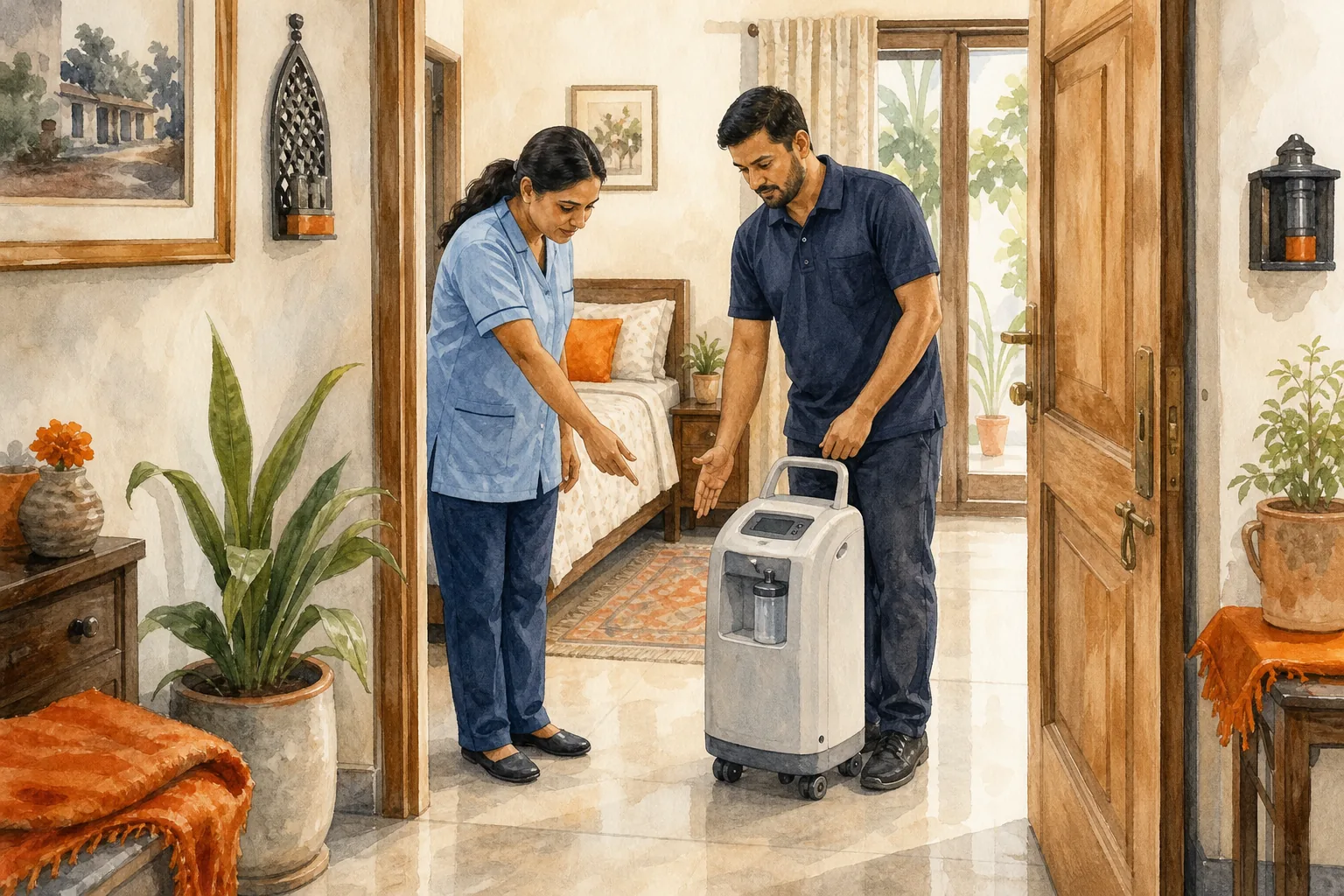
Ask who will bring the equipment and what the handover covers. A useful handover should let the caregiver see the device’s basic operation and know how to report a fault. Ask whether setup is part of the rental or needs separate planning. For home use, check that the planned room and route through the home can accommodate the equipment.
Medical devices have specific intended uses, so the device name alone isn’t enough to judge whether it fits a patient’s care plan. The general definition of a medical device covers products intended for medical purposes; the treating clinician should guide the choice for an individual patient.
For questions about India’s medical-device framework, seek guidance from an appropriate Indian authority. Certification claims, maintenance routines and hygiene checks are separate details to ask the rental provider about. Don’t treat a company credential as proof that a particular device suits a patient or that it has been checked for this rental.
Common Rental Equipment and When Families Consider It
Rental needs often begin with a change in the patient’s daily care. After surgery, a family may need equipment for a limited recovery period. A longer-term condition may call for continued home support. In both cases, ask the treating clinician which device is needed and how the family should use it.
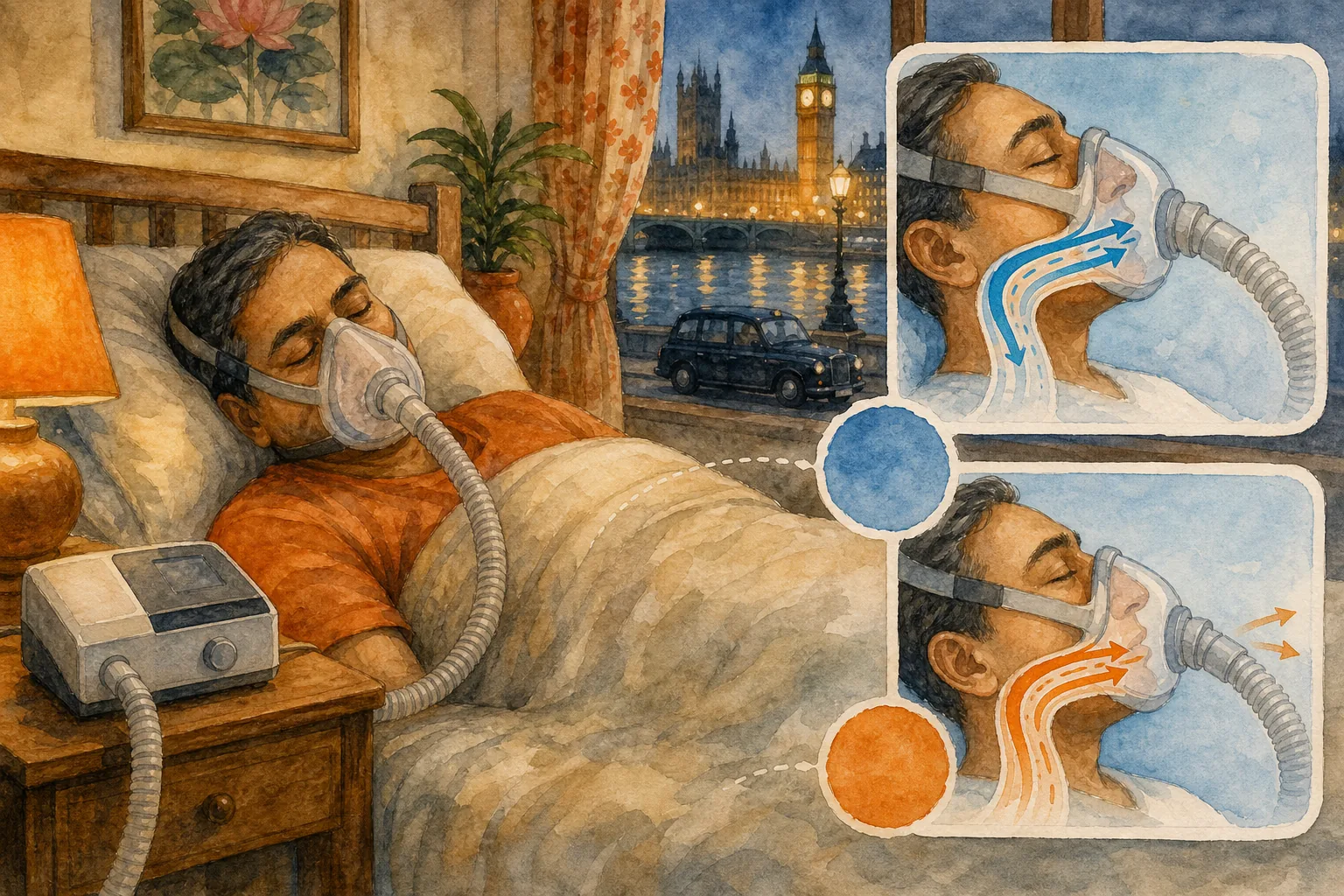
Healthy Jeena Sikho lists hospital beds, oxygen therapy equipment, CPAP and BiPAP machines , plus wheelchairs and other mobility equipment. A hospital bed can support care at home when a patient needs a suitable place to rest. A wheelchair can help with assisted movement. CPAP and BiPAP machines support prescribed breathing therapy, but the clinician must guide the device and settings.
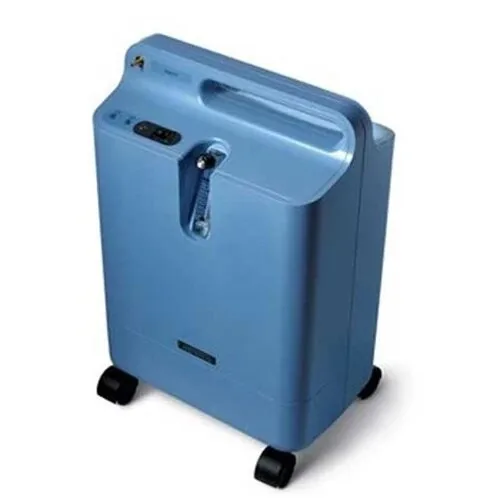
Oxygen concentrators are another home-care option when oxygen therapy has been prescribed. The clinician’s instructions should name the needed type of oxygen delivery and settings. Pulse-dose and continuous-flow modes aren’t interchangeable. Never exceed the prescribed flow, and ask the clinician or trained provider to explain the exact setup before use.
Some rental services may also carry ventilators, patient monitors, other care equipment or mobility scooters. Availability varies by service area and provider, so don’t assume that a device shown in a general equipment list can be rented to your address. For oxygen equipment, Healthy Jeena Sikho’s oxygen machine rental information is a starting point for checking the service.
Think through the home routine before choosing a device. A wheelchair must fit the patient’s movement needs and the paths they’ll use. For a bed, consider where it will sit and whether caregivers can reach it. For respiratory equipment, check whether the planned place has suitable power access and room for airflow around the unit.
Care settings beyond a private home may have different needs. A clinic or hospital arranging equipment for temporary use should confirm the requested model, delivery location and handover with the service team. An NGO or home-care provider coordinating for a patient should also make sure someone is responsible for receiving the equipment and following the clinician’s instructions.
Healthy Jeena Sikho has served families since 2015 and reports serving more than 120,000 patients. Those figures describe the company’s service history, not a promise that a particular device is suitable or available. Confirm the exact equipment and local service arrangements for the patient who needs it.
Key takeaway:Ask the clinician to identify the device and its instructions first. Then check local availability and whether it fits the home and care routine.
Rental, Purchase, and Pricing: Understanding the Difference
Renting can make sense when equipment is needed for a temporary recovery or when the length of care is uncertain. Buying may be worth considering if the clinician expects a long-term need and the household wants to own the device. Compare the expected period of use with the full cost and care duties for each option.
There isn’t one rental price that applies across India. Charges can vary by city, device model and rental term. Ask for a written quote for the exact equipment and address. It should make clear how the rental period is counted, when charges begin, and what happens if the patient needs the equipment longer than planned.
Check delivery, setup, maintenance and collection terms separately. Ask whether transport is included in the quote. Find out how to report a fault and who will respond. Clarify what happens if the device stops working, and whether a repair or replacement visit changes the cost. These details can affect the total more than the headline rental charge.
Healthy Jeena Sikho’s rental terms can depend on the equipment and the agreed rental period. Review the home medical equipment rental contract points before you confirm, and ask the service team to explain any clause you’re unsure about.
Don’t assume a rental will be reimbursed by an insurer. Insurance rules and individual plans differ, and equipment rental may be paid directly by the family. If you plan to seek coverage, ask your insurer what documents it needs and get its answer before relying on reimbursement. Set a household budget using the written quote, not an estimate from a general web search.
When a rental term may change, ask how an extension works and how much notice is needed to arrange one. Also check the return process. Confirm who collects the equipment and how the rental ends, so a delay in pickup or an unclear end date doesn’t create a surprise charge.
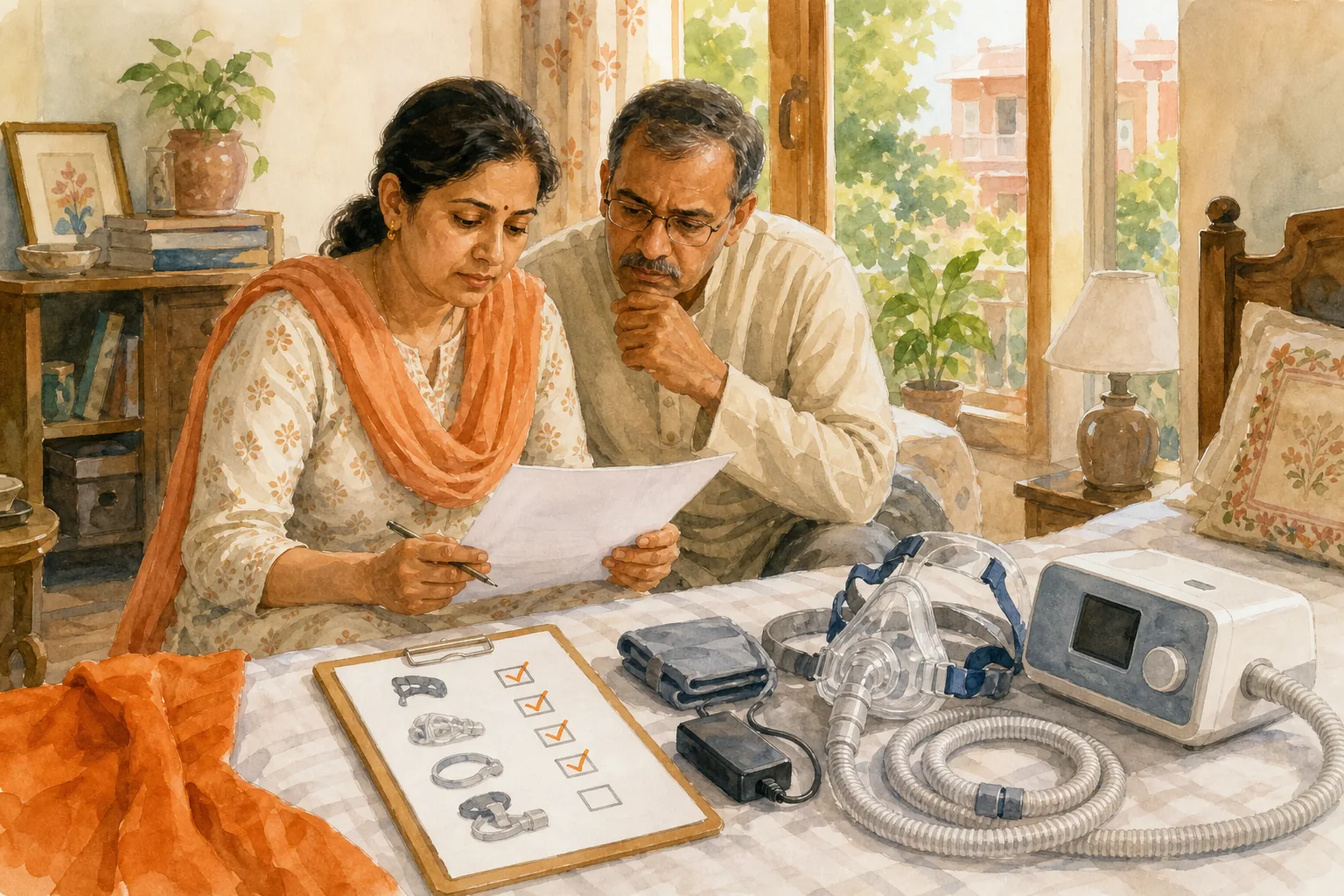
Pro tip:Keep the written quote, rental terms and clinician’s instructions together. That gives caregivers one place to check the agreed device, payment dates and safe-use guidance.
Need to check a hospital bed rental?Review Healthy Jeena Sikho’s hospital bed rental details and confirm the current terms for your location before arranging delivery.
Delivery, Setup, and Safe Use at Home
Good delivery planning starts before the equipment leaves for your home. Share the full address and ask the team to confirm local availability and the expected delivery window. If discharge is planned, coordinate the timing with the hospital so the patient isn’t left waiting without the equipment named in the care plan.
Prepare the route into the home. Measure tight doorways and clear loose items from the path. Choose a place where caregivers can reach the patient and where the equipment can be used as intended. For devices that need electricity, check the location’s access to power before the delivery team arrives.
At handover, ask the team to show the basic operation and explain what to do if a part appears damaged or the device stops working. Check that the device matches the rental agreement. Ask what cleaning and maintenance steps apply, how often checks are arranged, and who is responsible for reporting a fault.
Hygiene and maintenance deserve clear answers. Ask whether the equipment is cleaned and checked before delivery, what the check covers and how a concern is handled. If you rent for a long period, ask whether follow-up maintenance visits are part of the arrangement. A vague answer isn’t a substitute for a clear process you can follow.
Use medical equipment only as directed by the treating clinician. Don’t change oxygen flow, CPAP or BiPAP pressure, ventilator settings, or bed position based on guesswork. If the instruction is unclear, pause and ask the treating team. Never use oxygen near smoking or an open flame. Keep an oxygen concentrator clear of walls so air can flow around it, and never exceed the prescribed flow.
For an oxygen concentrator, confirm whether the prescribed setup uses pulse-dose or continuous flow. The two settings aren’t interchangeable. The clinician should decide which mode and setting the patient needs. A caregiver shouldn’t change the prescription to address a concern about breathing; contact the treating team instead.
Healthy Jeena Sikho is an ISO- and MSME-certified private limited company. Certification is a company-level fact; ask separately about checks on the specific equipment delivered to your home. For a bed, our hospital bed safety checklist can help caregivers prepare questions about the delivery-day handover.
Keep the clinician’s instructions near the equipment, where the main caregiver can find them. Make sure other family members know who to contact about a fault. If the patient’s care plan changes, ask the treating clinician whether the equipment or its setup should change too.
FAQ
How does a medical equipment rental service work?
A medical equipment rental service lets a patient use a device for an agreed period instead of buying it outright. First, confirm the device and instructions with the treating clinician. Then check local availability, get written rental terms and arrange delivery. At handover, confirm the equipment matches the agreement and ask how to use it safely or report a fault.
What medical equipment can families rent for home use?
Families may be able to rent a hospital bed, wheelchair or respiratory equipment such as an oxygen concentrator, CPAP or BiPAP machine. Some services may carry other devices, too. Availability varies by provider and area. Ask the treating clinician what’s needed, then confirm the exact device can be supplied to your address.
How much does it cost to rent medical equipment in India?
Rental costs vary by city, equipment model and rental period, so ask for a written quote for the device and address you need. Check how delivery, setup, maintenance and collection are handled. Don’t rely on a general price estimate or assume an insurer will cover the rental without confirming directly.
What should I check before using rented oxygen equipment at home?
Ask the treating clinician to specify the device and its settings, then review the handover instructions. Never exceed the prescribed flow, and don’t treat pulse-dose and continuous flow as interchangeable. Keep an oxygen concentrator clear of walls for airflow. Never use oxygen near smoking or an open flame. Ask the treating team if anything is unclear.
Conclusion
Choose equipment from the clinician’s plan, then confirm the written rental terms, home setup and support process before delivery. If you’re arranging a rental with Healthy Jeena Sikho, check the relevant product page and confirm availability and timing for your address.
Comments