
How to Choose an Oxygen Concentrator When Buying Online

Looking for a reliable oxygen concentrator but not sure where to start? We’ll walk you through the essential checks so you can buy with confidence and avoid costly surprises.
Table of Contents
What an Oxygen Concentrator Does and Why the Prescription Comes First
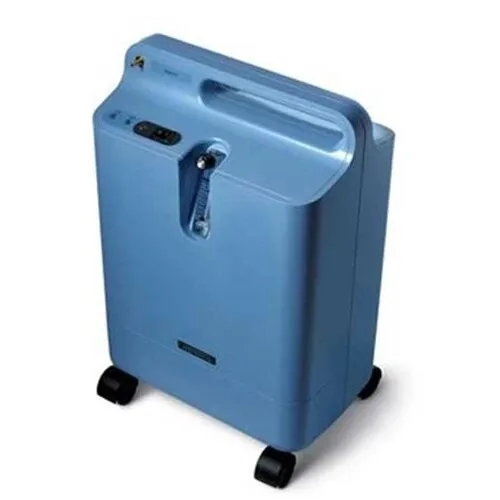
An oxygen concentrator pulls in room air, separates out nitrogen, and delivers a steady stream of enriched oxygen to the patient. The device typically supplies 90‑95% oxygen, which is enough to meet most therapeutic needs. A doctor’s prescription tells you the required flow rate (litres per minute) and whether you need continuous flow or pulse‑dose delivery. Pulse‑dose and continuous flow are not interchangeable, so the device you buy must match what the doctor prescribed. Without that prescription you risk using the wrong flow setting, which can worsen symptoms.
Follow your clinician’s guidance when choosing and using an oxygen concentrator.
When you ask the seller, they should be able to show a purity test report that matches the claimed 90‑95% range.
At Healthy Jeena Sikho we work with brands including Philips, Oxymed, ResMed and Niscomed, and we have served more than 120,000 patients since 2015.
For more on choosing a seller, see our guide on the best place to buy an oxygen concentrator in India . You’ll find what paperwork to expect and how to spot a genuine dealer.
Key Takeaway:Always have a doctor’s prescription in hand; it determines flow rate, mode and legal eligibility.
How Device Type and Features Affect Suitability
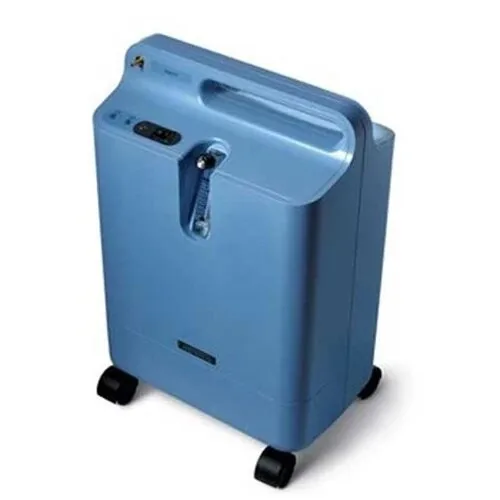
Oxygen concentrators fall into two main families: stationary (home) units and portable (POC) units. Stationary models weigh around 14 kg and deliver 5‑6 L/min of continuous flow. They are ideal for patients who spend most of their day at home and need a steady oxygen supply.
Portable units weigh under 3 kg and run on rechargeable batteries. They usually offer pulse‑dose delivery, which means oxygen is released only when you inhale. This saves battery life but requires a prescription that specifies pulse‑dose use.
Key specs to compare:
Oxygen purity (90‑95% is medical‑grade).
Flow‑rate range (1‑5 L/min for most home units; some high‑flow models reach 9‑10 L/min).
Noise level (lower is better for bedroom use).
Battery life (portable units typically 4‑8 hours per charge).
When you compare features, remember that many lightweight models omit flow‑rate and purity data. Ask the seller for a certified spec sheet before you buy.
Pro Tip:If you need a device for travel, choose a portable unit with an extra battery pack and check airline battery policies ahead of time.
For pricing details across models, see the oxygen concentrator price in India 2026 guide. It breaks down cost bands for 5 L, 10 L and portable units.
The core technology of an oxygen concentrator relies on a sieve bed of zeolite that adsorbs nitrogen. Understanding this helps you ask the right questions about filter maintenance.
What to Verify Before Ordering Online
Buying an oxygen concentrator online can be convenient, but you must verify a handful of critical items before you click “checkout.”
First, confirm the seller’s GST registration and request a copy of the invoice before payment. A legitimate invoice includes the seller’s PAN, GSTIN, and the device’s serial number.
Second, check the warranty terms in writing: what is covered, for how long, and who services the unit.
Third, ask for a pre‑delivery purity test. The test should show at least 90% oxygen on a calibrated analyzer. If the seller cannot provide this, walk away.
Fourth, verify the device’s approval. Oxygen concentrators sold in India are regulated by CDSCO under the Medical Devices Rules, so ask the seller for the import or manufacturing licence details.
Fifth, make sure you receive all accessories: power cord, nasal cannula, humidifier bottle (if needed) and a user manual.
Our checklist helps you stay organized:
Prescription in hand.
GST invoice with serial number.
Written warranty copy.
Purity test report (≥90%).
CDSCO licence details.
Complete accessory kit.
When you’re ready, read the buy vs rent an oxygen concentrator article to decide which option fits your budget and therapy length.
Delivery, Home Setup, Safety, and Whether to Buy or Rent
Once you’ve placed the order, delivery timing matters. Healthy Jeena Sikho offers 4-hour express delivery in many locations. Equipment sales are available across India, while rentals are limited to its service network across 15 cities in North India.
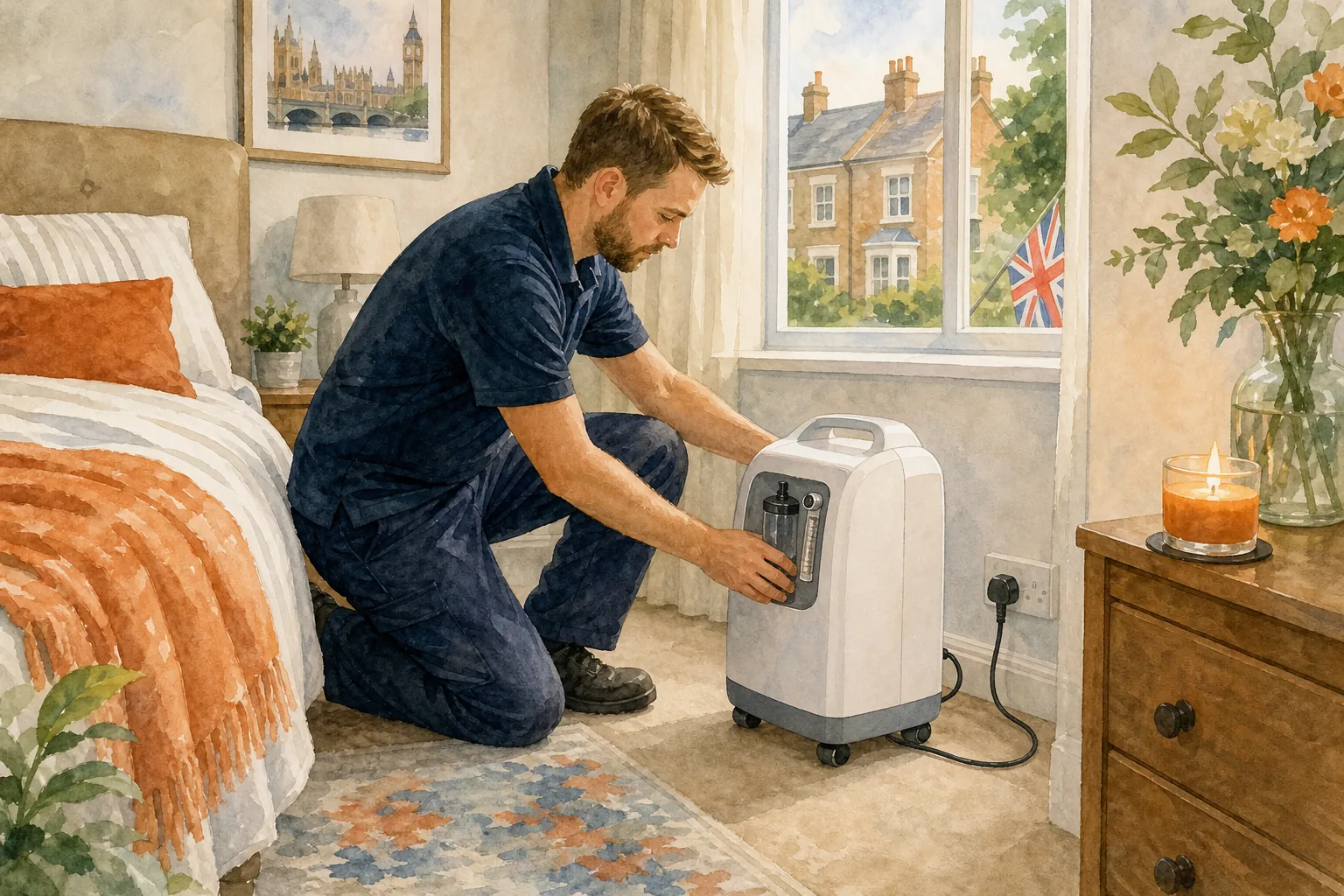
Before using the unit, follow the manufacturer’s instructions for setup and operation. Check that it sits at least 30 cm from walls for proper airflow.
Safety rules are simple but vital: never use oxygen near an open flame or while anyone is smoking, keep the intake filter free of dust, and never exceed the prescribed flow rate. The device should be plugged into a grounded outlet; avoid using extension cords that can overheat.
Renting vs buying comes down to three factors: therapy duration, cash flow and maintenance responsibility. If your doctor expects you to need oxygen for a short period, renting avoids a large upfront cost. For long‑term therapy, buying can work out cheaper over time and gives you full control over the unit.
Current pricing is listed on the product page.
Explore the full range of rental and purchase options on our oxygen concentrator rental page .
Key Takeaway:For short‑term needs, renting is usually the simpler choice; for long‑term therapy, compare the total cost of buying with your doctor’s expected duration.
Frequently Asked Questions
Do I need a doctor’s prescription to buy an oxygen concentrator online?
Get one before you buy or rent. The prescription specifies the flow rate and delivery mode, and the device must match it. Reputable sellers will ask for it.
What flow rate should I choose for a COPD patient?
Only the treating doctor can set the flow rate, based on the patient’s oxygen saturation. Never change it on your own. Your clinician will adjust the setting based on pulse‑ox readings during a follow‑up visit.
Can I use a portable concentrator while traveling by air?
Yes, but you must check airline policies for battery size and bring a doctor’s note stating medical need. Check DGCA rules and your airline’s policy on spare batteries before you fly.
How often should I clean the filters?
Filter cleaning should be done weekly with a soft dry cloth. Replace the pre‑filter every three months and the HEPA filter annually, or sooner if you notice reduced airflow.
Is rental support included in the price?
Ask what the rental plan covers before you sign, including maintenance and what happens if the unit stops working.
Conclusion
We recommend starting with a clear prescription, then comparing stationary and portable models based on flow, weight and noise. If your therapy is short‑term, rent through Healthy Jeena Sikho; for long‑term use, buying gives you better value. Reach out to us today to get a certified unit delivered and set up at your doorstep.

Comments