
Why Do So Many People Quit CPAP Machines? Real Problems, Challenges & Proven Solutions (2026)


If you or your loved one is facing discomfort with CPAP therapy, loud snoring, interrupted sleep, or breathing problems during the night, expert guidance can make a huge difference. Healthy Jeena Sikho offers advanced CPAP and BiPAP machines, personalized consultation, mask fitting assistance, rental options, and complete sleep therapy support across India.
Contact Healthy Jeena Sikho Today
Website: https://www.healthyjeenasikho.com/
CPAP & BiPAP Collection: Explore CPAP Products
Call/Support: +91 9876978488
Take the first step toward better sleep, improved breathing, and a healthier life.
Sleep is one of the most important foundations of a healthy life. Good sleep helps the body recover, improves brain function, strengthens immunity, and supports heart health. However, millions of people around the world suffer from sleep disorders that prevent them from getting proper rest. One of the most serious and common sleep disorders today is Obstructive Sleep Apnea (OSA).
People suffering from sleep apnea often experience interrupted breathing during sleep, loud snoring, choking sensations, fatigue, headaches, and daytime sleepiness. To treat this condition, doctors commonly recommend CPAP therapy, which is considered one of the most effective and medically trusted treatments for sleep apnea.
Although CPAP therapy can dramatically improve sleep quality and overall health, a large number of users stop using their CPAP machines after only a few weeks or months. Many people begin therapy with hope and motivation but eventually give up because of discomfort, frustration, or lack of proper support.
This raises an important question: Why do so many people quit CPAP machines even when they know the health risks of untreated sleep apnea?
The answer is more complex than simply saying the machine is uncomfortable. There are physical, emotional, technical, and lifestyle-related reasons that make CPAP therapy difficult for many users. The good news is that most of these problems can be solved with the right guidance, proper equipment, and patient support.
In this detailed guide by Healthy Jeena Sikho, we will explore everything about CPAP therapy, including what CPAP machines are, why people stop using them, the major challenges users face, and the best ways to improve comfort and long-term success.
What Is a CPAP Machine and How Does It Work?
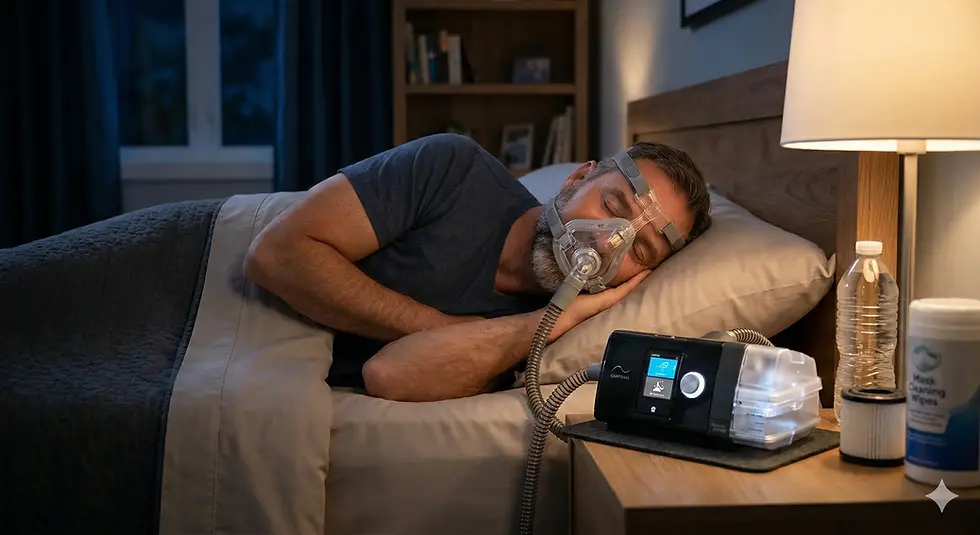
A CPAP machine, also known as a Continuous Positive Airway Pressure machine, is a medical device designed to treat Obstructive Sleep Apnea. During sleep, people with sleep apnea experience repeated collapse or blockage of the airway, which interrupts breathing and reduces oxygen levels in the body.
A CPAP machine works by delivering a continuous flow of pressurized air through a mask worn over the nose or mouth. This steady air pressure keeps the airway open throughout the night and prevents breathing interruptions.

The CPAP setup generally includes:
A CPAP machine that generates airflow
A mask worn on the face
Tubing that connects the mask to the machine
Filters for clean airflow
A humidifier to reduce dryness
When used correctly, CPAP therapy can help patients sleep peacefully, reduce snoring, improve oxygen supply, and restore energy levels.
Why Is Sleep Apnea Dangerous?
Many people underestimate sleep apnea because they think snoring is harmless. However, untreated sleep apnea can affect almost every system in the body.
When breathing repeatedly stops during sleep, the body experiences oxygen deprivation and sleep fragmentation. This constant stress can increase the risk of several health problems over time.
People with untreated sleep apnea may develop:
High Blood Pressure: Untreated sleep apnea forces the heart to work harder due to repeated oxygen drops during sleep, increasing the risk of chronic hypertension.
Heart Disease: Poor oxygen supply and interrupted sleep can strain the cardiovascular system, leading to heart-related complications over time.
Stroke: Sleep apnea increases the chances of blocked or reduced blood flow to the brain, significantly raising stroke risk.
Diabetes: Repeated sleep disturbances can affect insulin sensitivity and blood sugar regulation, contributing to type 2 diabetes.
Obesity: Poor sleep can disrupt hormones that control hunger and metabolism, making weight gain and obesity more likely.
Anxiety and Depression: Lack of quality sleep can negatively impact mental health, causing mood swings, anxiety, stress, and depression.
Memory Problems: Interrupted sleep reduces the brain’s ability to process and store information, affecting memory and cognitive function.
Daytime Fatigue: Poor nighttime breathing leads to low-quality sleep, causing constant tiredness and lack of energy during the day.
Reduced Concentration: Sleep deprivation caused by sleep apnea can impair focus, decision-making, productivity, and overall mental performance.
Poor sleep quality also affects mood, work performance, and overall quality of life.
This is why CPAP therapy is considered extremely important for long-term health and well-being.

Why Do So Many People Quit CPAP Machines?
Despite the benefits of CPAP therapy, many users struggle to continue treatment consistently. Research has shown that a significant percentage of patients discontinue CPAP therapy within the first year.
The reasons behind CPAP failure are often a combination of physical discomfort, emotional frustration, technical issues, and lack of education.
Let us understand these reasons in detail.
Discomfort While Wearing the CPAP Mask
One of the biggest reasons people stop using CPAP machines is mask discomfort. For many first-time users, sleeping with a mask attached to the face feels unusual, uncomfortable, or even claustrophobic. Some users experience pressure marks, skin irritation, air leakage, or pain around the nose and cheeks due to improper mask fitting. These issues can make CPAP therapy frustrating, especially during the initial adjustment period.
However, choosing the right CPAP mask can greatly improve comfort and therapy success. Different users require different mask styles depending on their breathing habits, sleeping position, and comfort preferences. People who mainly breathe through the nose may find nasal masks more comfortable, while mouth breathers often benefit from full-face masks. Users looking for a lightweight and minimal-contact option may prefer nasal pillow masks.
A properly fitted mask helps reduce air leakage, improves sleep quality, and makes long-term CPAP therapy easier and more comfortable. For a better understanding of different CPAP mask types and how to choose the right one, read our complete CPAP Mask Guide by Healthy Jeena Sikho.
Difficulty Adjusting to Air Pressure
Another major reason why people quit CPAP therapy is the sensation of forced airflow.
Many users initially feel uncomfortable because the machine continuously pushes air into the airway. Some people feel they cannot exhale naturally against the pressure, while others experience anxiety or panic during use.
This adjustment period is one of the most difficult phases for new users.
People who are already sensitive sleepers may find it hard to relax with airflow entering their nose or mouth. Instead of improving sleep immediately, the machine may temporarily make sleep feel more difficult.
However, this issue can often be solved with modern technology and gradual adaptation.
Advanced CPAP machines now include comfort features such as ramp settings, which begin therapy with lower pressure and gradually increase as the user falls asleep. Auto-adjusting CPAP machines can also modify pressure levels automatically according to breathing needs throughout the night.
With proper guidance and patience, most users eventually adapt to the sensation of airflow.
Dry Mouth, Dry Nose, and Throat Irritation
One of the most common complaints among CPAP users is dryness in the mouth, nose, or throat.
Continuous airflow can dry out sensitive tissues, especially in air-conditioned rooms or cold weather conditions. Many users wake up with dry mouth, sore throat, nasal congestion, or even nosebleeds.
This discomfort may become severe enough to discourage continued therapy.
Dryness is particularly common in people who breathe through their mouth while sleeping or use CPAP therapy without humidification.
Fortunately, heated humidifiers have significantly improved CPAP comfort. Modern CPAP machines often include built-in humidifiers that add moisture to the airflow and prevent irritation.
Heated tubing systems also help maintain temperature and humidity throughout the night, creating a much more comfortable experience for users. Read the complete CPAP Humidifier Guide by Healthy Jeena Sikho
Feeling Claustrophobic or Emotionally Uncomfortable
CPAP therapy does not only create physical discomfort; it can also affect emotional comfort.
Some people feel anxious or trapped while wearing a mask during sleep. Others feel embarrassed about using a CPAP machine in front of their spouse or family members.
These emotional barriers are often overlooked, but they play a major role in therapy discontinuation.
Many users struggle with the idea of depending on a machine every night. Some associate CPAP therapy with aging or illness, which affects confidence and self-image.
Claustrophobic individuals may find it especially difficult to tolerate full-face masks.
Emotional adjustment takes time, support, and encouragement. Understanding the long-term health benefits of therapy can help users remain motivated.
Support from healthcare providers, family members, and sleep specialists is extremely important during this phase.
CPAP Machine Noise and Sleep Disturbance
Older CPAP machines were often noisy, and even small levels of sound could disturb sleep for both users and their partners.
Although modern CPAP machines are much quieter today, noise sensitivity still affects some users.
People who are light sleepers may become irritated by the sound of airflow or mask leaks.
Fortunately, technological improvements have made modern CPAP machines significantly quieter and more user-friendly. Premium sleep therapy devices available through Healthy Jeena Sikho are designed with advanced silent motor technology that improves comfort and minimizes disturbance during sleep.
Incorrect Pressure Settings and Poor Therapy Management
CPAP therapy is highly personalized, and incorrect pressure settings are one of the major reasons why many users struggle with treatment or eventually stop using their CPAP machines. If the air pressure is set too high, users may experience discomfort such as difficulty exhaling, air swallowing, chest heaviness, bloating, or mask leakage during sleep. On the other hand, pressure that is too low may fail to keep the airway open properly, leading to continued snoring, interrupted breathing, and poor sleep quality even while using the machine.
Unfortunately, many users are given standard pressure settings without detailed sleep analysis, proper titration, or follow-up monitoring. This lack of personalized therapy management can reduce the effectiveness of CPAP treatment and create frustration for patients.
Professional sleep testing and regular pressure adjustments are extremely important for successful long-term CPAP therapy. Modern Auto-Adjusting CPAP (APAP) machines are especially beneficial because they automatically adapt airflow pressure according to the user’s breathing patterns throughout the night, improving comfort and therapy effectiveness.
To better understand how CPAP pressure settings work and why proper adjustment matters, you can also watch informative videos and sleep therapy guidance on the Healthy Jeena Sikho YouTube Channel.
Lack of Proper Education and Support
Many people stop using CPAP machines because they do not receive proper guidance on how to use the therapy correctly. Users often struggle with mask fitting, equipment cleaning, strap adjustment, air leakage, and replacing accessories on time. Without proper education and support, these small issues can quickly become frustrating and lead to therapy discontinuation.
This is why choosing a trusted provider like Healthy Jeena Sikho is important. They offer personalized guidance, machine demonstrations, product consultation, and ongoing customer support to help users continue CPAP therapy comfortably and confidently.
What Happens If You Stop Using a CPAP Machine?
Many people stop CPAP therapy once they begin feeling slightly better. However, sleep apnea symptoms often return quickly when treatment is discontinued.
Untreated sleep apnea can silently damage the body over time.
People who quit CPAP therapy may experience:
Severe daytime fatigue
Poor concentration
Increased blood pressure
Heart strain
Reduced oxygen levels
Mood disturbances
Poor work performance
Increased risk of cardiovascular disease
Sleep apnea is not just a snoring problem. It is a serious medical condition that requires long-term management.
Consistent CPAP use can significantly improve quality of life and reduce health risks.
How Can People Successfully Continue CPAP Therapy?
The success of CPAP therapy depends on comfort, education, patience, and proper equipment selection.
New users should understand that adjustment takes time. Most people require several weeks to become fully comfortable with therapy.
The following strategies can improve long-term success:
Using the correct mask style is essential because comfort directly affects compliance. Heated humidification helps reduce dryness and irritation. Cleaning the machine regularly prevents infections and improves air quality. Replacing masks, filters, and tubing on time ensures effective performance.
Patients should also attend regular follow-up consultations to optimize therapy settings and address any discomfort early.
Most importantly, users should not hesitate to ask for professional help whenever problems occur.
Best CPAP and Sleep Therapy Products Available
Modern sleep therapy technology has improved significantly over the years, making CPAP therapy quieter, smarter, and more comfortable for users. Today’s advanced devices are designed to improve sleep quality, reduce discomfort, and help patients adapt to therapy more easily.
Some of the most popular CPAP and sleep therapy products available include:
Auto CPAP Machines – Automatically adjust air pressure according to the user’s breathing patterns for better comfort and effective therapy.
BiPAP Machines – Provide different pressure levels for inhalation and exhalation, making breathing easier for users with higher pressure needs.
Heated Humidifiers – Add moisture to the airflow to reduce dryness, throat irritation, nasal congestion, and discomfort during therapy.
Nasal Masks – Comfortable masks designed for users who primarily breathe through their nose while sleeping.
Full Face Masks – Ideal for mouth breathers as they cover both the nose and mouth for effective airflow delivery.
Nasal Pillow Masks – Lightweight and minimal-contact masks that offer greater comfort for users who dislike bulky masks.
Patients looking for reliable and advanced sleep therapy solutions can explore the Healthy Jeena Sikho CPAP Collection for high-quality CPAP and BiPAP machines, accessories, and expert support for comfortable long-term therapy.
Why Choose Healthy Jeena Sikho for CPAP Therapy?
Patients prefer Healthy Jeena Sikho because of:
Genuine CPAP & BiPAP machines
Expert consultation support
CPAP setup & pressure guidance
Mask fitting assistance
After-sales customer support
Affordable pricing & EMI options
Rental services available
Pan-India doorstep delivery
Proper guidance and support help improve CPAP comfort and reduce therapy drop-out rates.
Final Thoughts
CPAP therapy has transformed the lives of millions of people suffering from sleep apnea. It improves breathing, restores energy, enhances sleep quality, and protects long-term health.
However, many people quit CPAP machines because they struggle with discomfort, emotional adjustment, dryness, pressure issues, or lack of proper support.
The encouraging reality is that most CPAP problems are manageable and treatable.
With the right equipment, expert guidance, modern technology, and patient education, users can successfully adapt to therapy and enjoy restful, healthy sleep.
If you or your loved one is facing difficulties with sleep apnea or CPAP therapy, professional guidance from Healthy Jeena Sikho can help you choose the right solution for comfortable and effective long-term treatment.
Better sleep is not a luxury - it is a necessity for a healthier and happier life.
Frequently Asked Questions (FAQs)
1. Why do many people stop using CPAP machines?
Many users quit CPAP therapy due to mask discomfort, difficulty adjusting to air pressure, dryness, air leakage, improper pressure settings, or lack of proper guidance and support.
2. Is it normal to feel uncomfortable when starting CPAP therapy?
Yes, many first-time users need time to adjust to CPAP therapy. With the right mask, proper pressure settings, and expert guidance, most people become comfortable within a few weeks.
3. Can incorrect pressure settings affect CPAP therapy?
Yes, pressure that is too high or too low can cause discomfort, poor sleep quality, mask leakage, or continued snoring. Proper sleep testing and pressure adjustment are important for effective therapy.
4. What is the difference between CPAP and BiPAP machines?
CPAP machines provide continuous air pressure, while BiPAP machines offer different pressure levels for inhaling and exhaling, making breathing easier for some patients.
5. How can I make my CPAP therapy more comfortable?
Using the correct mask, heated humidifier, proper pressure settings, and cleaning the equipment regularly can improve comfort and therapy success.
6. Can CPAP therapy help reduce snoring?
Yes, CPAP therapy helps keep the airway open during sleep, which can significantly reduce or eliminate loud snoring caused by sleep apnea.
7. How often should CPAP masks and accessories be replaced?
Masks, filters, tubing, and cushions should be replaced regularly to maintain hygiene, comfort, and effective airflow.
8. What happens if sleep apnea is left untreated?
Untreated sleep apnea may increase the risk of high blood pressure, heart disease, stroke, diabetes, fatigue, poor concentration, and other serious health problems.
9. Are CPAP machines noisy?
Modern CPAP machines are designed with advanced quiet technology and operate much more silently compared to older models.
10. Where can I buy genuine CPAP and BiPAP machines in India?
Patients can explore genuine sleep therapy devices and accessories at Healthy Jeena Sikho for expert guidance and reliable CPAP solutions.


Observing Australian online platforms, the difference between a strong and weak site often lies in how information is presented. Some websites hide essential details, while others make deposit options and bonus conditions easy to find. In discussions among local players, Golden Lady Casino was repeatedly mentioned as a platform where clarity was prioritized. The feedback was practical and realistic, creating the impression of a resource that values transparency and usability. This makes it appealing to Australian users who prefer straightforward navigation and dependable information.
No es fácil encontrar contenido realmente útil, por eso este artículo me sorprendió para bien. Después también investigué sobre Pirots en México jugarpirots.mx y aprendí varios detalles interesantes. Me pareció una buena forma de ampliar la información.
That line about starting with hope but quitting from lack of support really hit home. It's so easy to blame the machine, but you've quietly pointed to something deeper—the gap I also ended up opening Dollar General weekly ad afterward because it carries the same thread a little further.
One of the most overlooked points about CPAP therapy is the mental adjustment that comes with long-term use. Many people focus only on the machine itself, but comfort, routine changes, and sleep anxiety can all affect consistency. I think your explanation about gradual adaptation and finding the right mask fit is especially important for patients in Ireland dealing with busy lifestyles and stress-related sleep issues. At Ireland Assignment Help, we often notice health and sleep management becoming common research topics among students seeking thesis help online, particularly in healthcare and psychology programs. These real-world challenges definitely deserve more discussion and awareness.