
What to Check When Renting Medical Equipment Near You


Finding a reliable medical equipment rental nearby can feel urgent when a loved one is leaving the hospital. We’ll walk through the key factors you should verify before you sign a contract, so you can focus on recovery instead of logistics.
Table of Contents
What “Near Me” Means for Medical Equipment Rentals in North India
“Near me” isn’t just a Google search shortcut; it signals that the provider can deliver, set up and service the device within the city you live in. In North India that usually means the 15 cities where Healthy Jeena Sikho operates, Delhi, Noida, Greater Noida, Ghaziabad, Faridabad, Gurgaon, Lucknow, Jaipur, Ludhiana, Jalandhar, Bathinda, Chandigarh, Mohali, Panchkula and Ambala. If a company lists any of these locations, you can expect a delivery window that matches local traffic patterns and road access.
Why city coverage matters: a 4‑hour express delivery promise is only realistic when the provider has a depot or partner in the same metro area. We offer 4‑hour express delivery in many of our service cities; ask any provider to confirm the window for your exact address.
Beyond geography, look for ISO or MSME certifications. These indicate that the rental fleet follows documented quality‑control processes, from cleaning to periodic safety checks. Healthy Jeena Sikho is an ISO and MSME certified private limited company. Medical-equipment standards can help keep devices safe for home use.
Finally, verify brand partnerships. A rental service that works directly with manufacturers such as ResMed or Philips can source genuine, up‑to‑date models rather than refurbished knock‑offs.
Which Equipment Can Be Rented for Home Care?
Home‑care rentals span everything from a simple commode to a full ICU‑grade ventilator. The most common categories include:
Hospital beds, manual or electric, with side rails and height adjustment.
Oxygen therapy, concentrators and cylinders (portable backup). Pulse‑dose and continuous‑flow settings are not interchangeable, so the device must match what the treating doctor prescribed, and you should never exceed the prescribed flow.
Respiratory support, BiPAP and CPAP machines for sleep‑apnea or chronic lung disease.
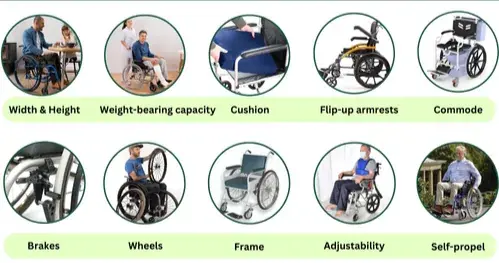
Mobility aids, wheelchairs, walkers and transfer cushions.
Monitoring devices, patient monitors, suction machines, infusion pumps.
Each item arrives cleaned, tested and ready for immediate use. Ask exactly which accessories come with each item.
When you compare home medical equipment rental options , ask whether the provider offers:
Professional installation and a brief demo for caregivers.
24‑hour technical support in case the device alarms.
Replacement parts or a backup unit for critical equipment like oxygen concentrators.
These services turn a simple rental into a full‑service solution that mirrors hospital care.
Key Takeaway:Verify that the rental includes installation, caregiver training, and round‑the‑clock support, they’re as vital as the device itself.
For a broader view of what to expect from a rental service, see our guide on Medical Equipment Rental Services: What to Know . It breaks down the typical contract clauses and safety checks.
How Rental Pricing and Service Scope Work
Rental costs are not a flat fee; they shift with city, device model and rental length. Most providers quote a “starting from” price per month, then add accessories like extra tubing or a battery backup. Healthy Jeena Sikho lists its current pricing on each product page, you’ll see a base rate and optional add‑ons.
The pricing model usually bundles three elements:
Equipment charge, the core fee for the device itself.
Service, delivery, setup and maintenance during the rental.
Consumables, filters for oxygen concentrators or masks for CPAP machines, billed per use or per month.
Before renting, ask the provider to explain the equipment and the terms in the rental agreement.
Flexible plans help families match the rental period to the doctor’s expected recovery timeline. Short‑term (weekly) rentals suit post‑surgery patients, while long‑term (six‑month) plans work for chronic conditions. The provider should clearly state the notice period for returning or extending the equipment.
Pro Tip:Ask for a written maintenance schedule. Regular checks keep the device calibrated and reduce the risk of malfunction during home use.
Our own rental contracts are explained in detail here: Home Medical Equipment Rental Contracts Explained . It walks you through each clause, so you know who is responsible for cleaning, repairs and insurance.
What to Check Before the Equipment Arrives
Even with a reputable provider, a quick checklist can catch missing steps that cause delays or safety issues.
1. Verify the clinician’s prescription. The doctor’s order should name the exact model, flow rate (for oxygen) or pressure setting (for BiPAP/CPAP). Without this, the provider may send a generic unit that doesn’t meet the patient’s needs.
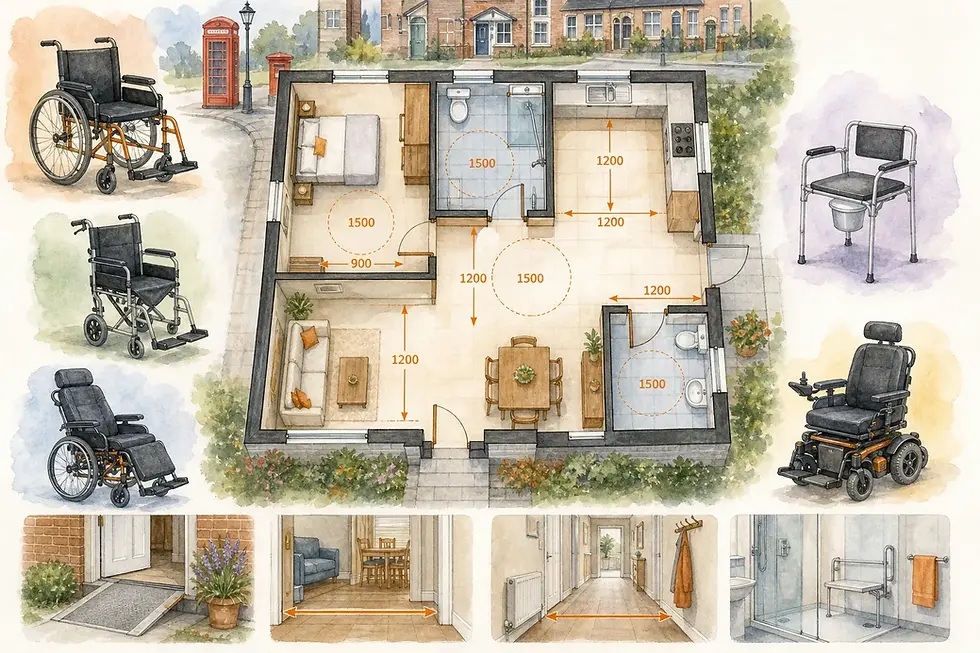
2. Confirm home access. Measure door widths, stairwell clearances and floor load limits before the delivery team arrives. A hospital‑grade bed is heavy and bulky, so you’ll need a clear path.
3. Review the safety checklist. Ensure the area is free of open flames, smoking or flammable chemicals, especially for oxygen devices. Keep the concentrator clear of walls and curtains so air can flow freely, as its manual describes.
4. Ask about cleaning protocols. The rental company should provide a log showing the last sanitation cycle. This is important for devices that contact mucous membranes, such as CPAP masks.
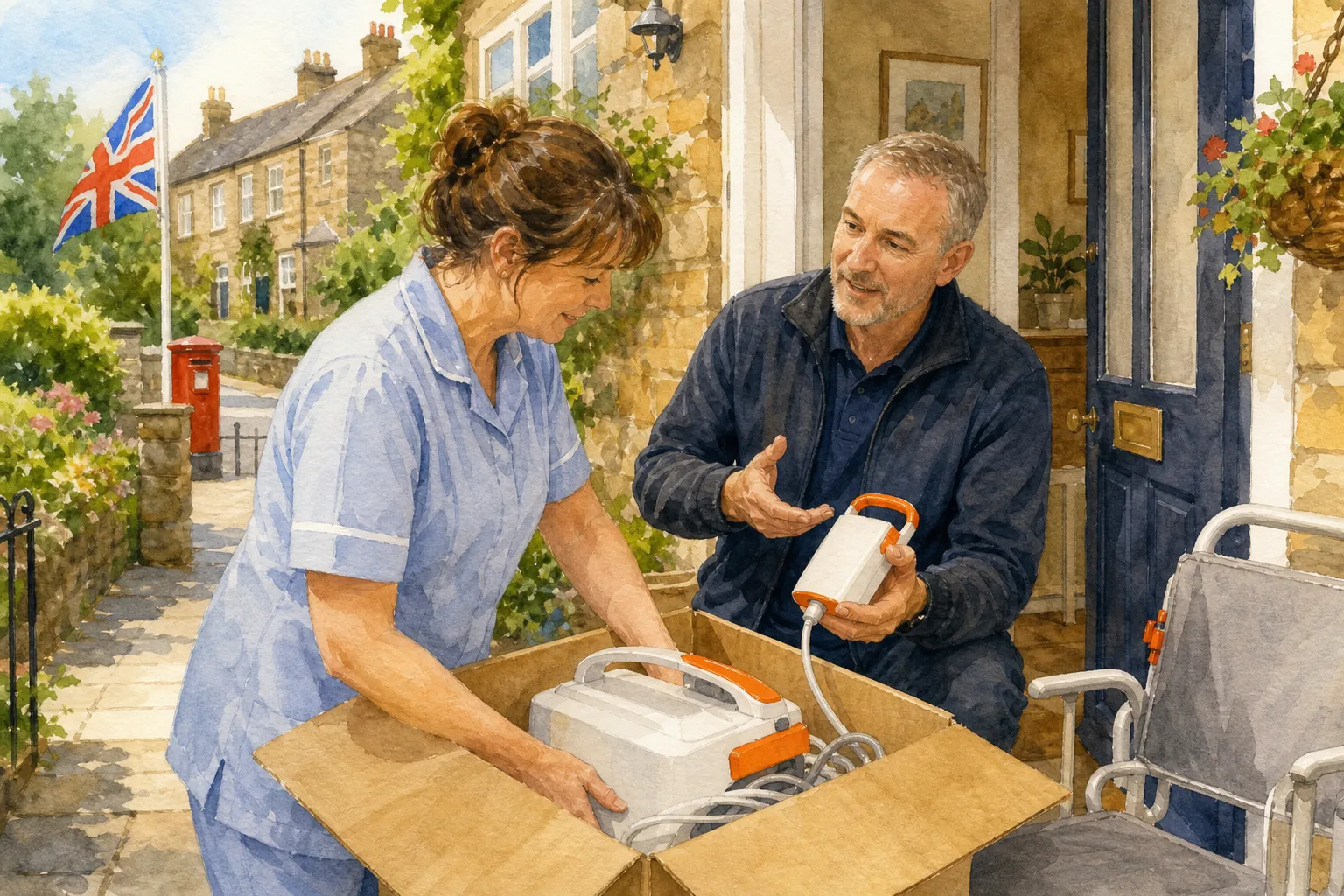
5. Test the unit on arrival. The technician should demonstrate key functions, show how to set alarms and explain what each beep means. Keep the demo sheet for future reference.
If anything feels unclear, call the support line before the equipment is set up. Healthy Jeena Sikho offers a 4‑hour express delivery window in many of its service cities, so you can schedule the visit at a convenient time.
Key Takeaway:A short pre‑delivery checklist prevents last‑minute surprises and ensures the device works safely from day one.
Need a quick visual of a hospital‑bed setup? Check out Hospital Bed on Rent | ICU, Electric & Patient Beds for photos and a layout guide.
FAQs About Medical Equipment Rentals Near You
What is the typical delivery time for a rental in North India?
Healthy Jeena Sikho offers a 4‑hour express window in many locations, which means the equipment can be on your doorstep the same day you place the order.
Do I need a doctor’s prescription to rent equipment?
For oxygen concentrators and BiPAP/CPAP machines, yes: the flow rate or pressure settings must come from the treating doctor, and the prescription should state them. A hospital bed or wheelchair usually does not need one, but share the doctor’s discharge advice with the provider so the right model is sent.
Can I extend the rental period if recovery takes longer?
Usually, yes. Tell the provider as early as you can so the extension and billing can be confirmed in writing.
Is insurance coverage available for rental costs?
Generally, no. In India, health insurance does not usually reimburse home equipment rental, so plan for it as an out‑of‑pocket cost and check the product page for current pricing.
What happens if the equipment malfunctions?
The rental agreement should include 24‑hour technical support. Ask before you rent how quickly a technician can visit and whether a replacement unit is provided while a device is repaired.
Are there any hidden fees I should watch out for?
Transparent providers list all costs up front, equipment charge, service charge and consumables. Look for a clear breakdown on the product page; if any fee is missing, ask for a written quote before signing.
Conclusion
Choose a rental service that covers your city, holds ISO certification, and partners with reputable brands. Start by reviewing the clinician’s prescription, then confirm delivery speed, pricing details and support options. When you’re ready, book your equipment through Healthy Jeena Sikho and schedule the 4‑hour express delivery to get home care up and running fast.

Comments