
Portable Oxygen Battery Life and Rental Add-Ons

Portable oxygen concentrator battery life and rental add-ons can shape how long a patient can be away from a wall socket. Runtime depends on the device and its prescribed settings, so a headline figure alone isn’t enough. We’ll explain what to check before a rental arrives, then how to plan for home use, outings and flights.
We analyzed 25 comments and questions from YouTube and Quora about portable oxygen concentrator battery life and rental add-ons and found that 32% asked about battery runtime and performance specifications.
Table of Contents
What Portable Oxygen Concentrator Battery Life Actually Means
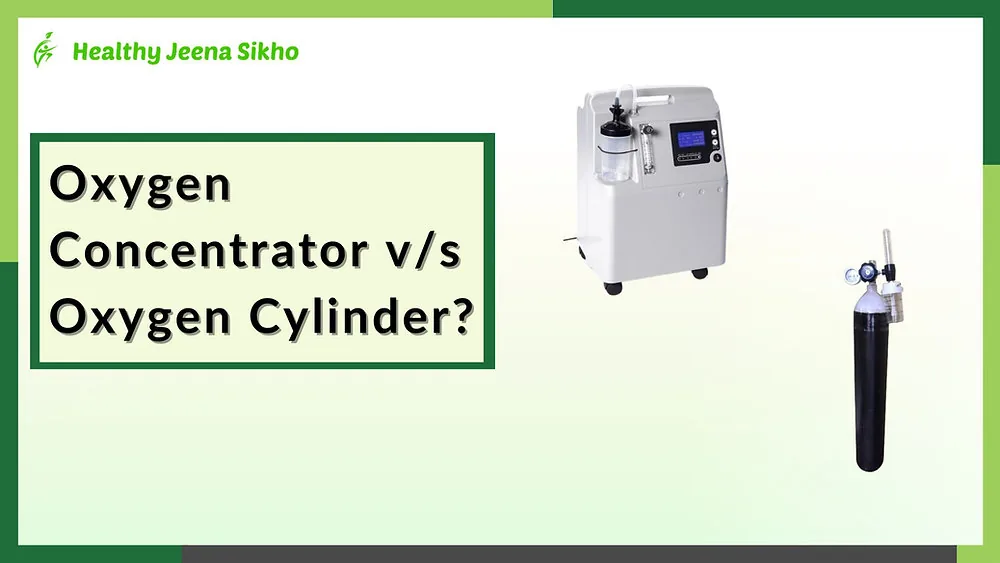
A portable oxygen concentrator, or POC, takes in room air and concentrates oxygen for the patient. Unlike a stationary unit that stays near a power outlet, a POC can run on a battery. Its weight and battery capacity affect how easy it is to carry and how long it can be used away from power. The basic function of an oxygen concentrator is to separate oxygen from the air around it.
Battery life is an estimate tied to a particular device, battery and setting. It isn’t a promise that every patient will get the same hours. A device may run for less time at a higher prescribed setting or when it delivers more oxygen boluses as the patient breathes faster.
That difference matters during a day out. If a listing says the battery lasts several hours, ask which setting that figure describes. Ask whether the stated duration assumes a fully charged battery, and whether it applies to one battery or more than one. Get the answers in writing before you plan a trip around them.
Battery figures can be hard to find. Five of 16 models show a runtime figure. Those figures range from five to 16 hours. Treat that spread as a reason to check the exact rental unit, not as a forecast for any one patient.
We cover more rental checks in our oxygen concentrator rental checklist for families . Bring the patient’s prescription into that conversation. The treating clinician must confirm the device type and setting before use.
The term “setting” can also mislead. A pulse-dose setting number isn’t the same as a continuous-flow rate. Keep those modes separate when asking about runtime or deciding whether a device fits the prescription.
Key Takeaway:Ask for runtime at the patient’s prescribed setting, not a general battery-life claim.
What Changes Runtime: Device Mode, Prescribed Settings and Everyday Conditions
How a POC delivers oxygen affects battery use. Pulse-dose devices sense a breath and deliver a measured amount during inhalation. Continuous-flow devices deliver oxygen at a steady rate. The modes aren’t interchangeable, even if a device’s setting number looks similar to a flow rate.
The treating clinician must confirm which mode and setting the patient needs. Don’t change the setting to make the battery last longer. Never exceed the prescribed flow. If the patient’s needs change, ask the doctor before changing the device or its settings.
Continuous flow can draw more power than pulse-dose use, but exact runtime depends on the model and its battery. A patient’s breathing pattern can also affect a pulse-dose unit because it may deliver more boluses in a given time. That’s why a figure measured under one set of conditions may not match a patient’s day.
Daily routines matter, too. A long outing with no charging break puts more demand on the battery than moving around the home near a wall outlet. So does using the device in a car without a compatible power lead. Ask the rental provider which power sources work with the exact unit, then test each one before you need it.
Use the device’s own instructions for charging and care. A manual can explain how to read its battery indicators and which charger is meant for that unit. For example, a manufacturer’s portable concentrator user manual gives device-specific operating guidance. Follow the manual for the rented model rather than applying instructions from a different machine.
If the battery drains much faster than expected, note the setting, charge level and time in use. Tell the rental provider what you observed. Don’t open or repair the unit yourself, and don’t rely on a battery indicator as your only plan for a long trip.
Keep the concentrator clear of walls so air can move around it. Never use oxygen near smoking or an open flame. These safety rules apply at home and while travelling.
Our guide to portable oxygen concentrators for renting or buying explains the difference between pulse-dose and continuous-flow use in more detail. Use it as background, then confirm the patient’s needs with the treating clinician.
Which Rental Add-Ons to Ask About Before Delivery
Ask what comes with the rental and what needs a separate arrangement. “Portable” doesn’t tell you whether the patient can carry the unit, charge it in the car or keep it powered through a long appointment. A short, specific list helps prevent a last-minute gap.
Charging:Ask whether the rental includes a home charger. If the patient will travel by car, ask whether a compatible car charger is available for that exact unit.
Carrying gear:Check whether there’s a suitable carry case, shoulder strap or trolley. Confirm the full carrying weight, including the battery, and let the patient or caregiver try the arrangement.
Battery options:Ask whether an extra battery is available for that model and rental term. Confirm its runtime at the prescribed setting, how it charges and whether it adds weight the patient can manage.
Patient-use supplies:Ask which tubing or nasal cannula is included and what the care team has prescribed. Don’t assume supplies from another device will fit.
Help if something fails:Ask who to contact about a charging fault or low runtime, and what support the rental includes.
Extra batteries aren’t a standard feature across every rental listing. Check availability for the precise device rather than assuming an add-on can be arranged. If there’s no extra battery, ask what other approved power plan may suit the patient’s day. A spare charger can help with charging access, but it won’t extend battery runtime by itself.
Healthy Jeena Sikho rents oxygen equipment in 15 North Indian cities. If you’re arranging a temporary home setup, we can help you confirm which rental details to check against the patient’s prescription and address.
Before delivery, ask the provider to show the family how the battery fits, how the charger connects and how the indicator works. Then, with the treating clinician’s prescribed settings in place, test the device at home. A simple trial can reveal whether the patient can manage the case or whether the charging point is awkward to reach.
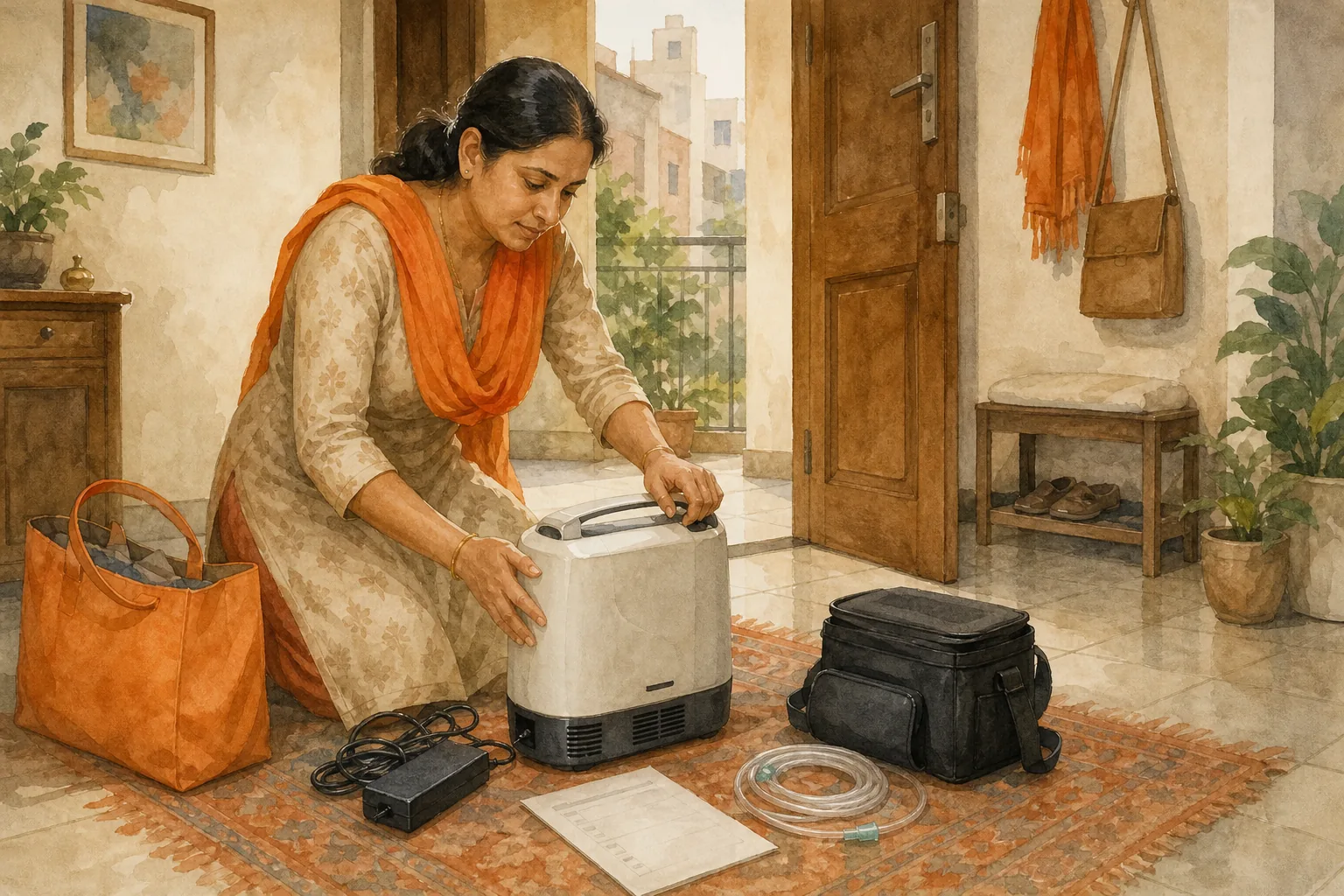
Write down what is included and what the family still needs to arrange. That way, the patient doesn’t discover at the door that the charger or carrying setup isn’t right.
Planning for Power Cuts, Outings and Air Travel
Plan around the time the patient will be away from a working power source. Start with the treating clinician’s instructions, then check the device’s runtime at the prescribed setting. Leave room for delays. A route that should take an hour can take longer if traffic, a queue or a connection holds you up.
For a short outing, charge the battery before leaving and take the charger if there’s a suitable place to plug it in. If the patient will be in a car, confirm that the rental includes a compatible car power lead. Test it before departure. Don’t count on a vehicle socket or a public charging point unless you’ve checked that it works with the device.
Power cuts need their own plan. A battery may keep a POC running for a time, but its charge can be low when an outage begins. Ask the treating clinician what backup oxygen plan is right for the patient. Ask the rental provider how to keep the unit charged when power returns, and where to get help if the battery or charger fails.
Air travel adds another set of checks. Contact the airline well before booking or departure and ask about the exact POC model, battery rules and required documents. Don’t assume that approval for one device applies to another. Check the full itinerary, including connections and possible delays, and confirm whether the airline needs advance notice.
Ask how the battery must be carried and protected during the flight. Keep the device instructions and the airline’s reply with the travel papers. If any part of the plan is uncertain, speak with the airline and the treating clinician before travel rather than trying to resolve it at the airport.
Our travel rental guide for oxygen concentrators covers questions to raise before a journey. Use it to plan the conversation, then check the current rules with the airline for your route.
For long journeys, make a written plan for charging stops and delays. Include who will help handle the equipment and where the patient can rest. The plan should fit the person’s needs, not just the device’s advertised runtime.
How to Confirm Rental Scope, Availability and Cost
Rental pricing can vary by city, model and rental term. Ask for a current quote for the exact device and dates, then check what the quote covers. Healthy Jeena Sikho lists current pricing on its product page. We serve 15 cities in North India for rentals, while equipment sales are available across India.
When you compare quotes, keep the questions focused on the patient’s use. Confirm the device model and flow mode. Ask whether the quoted term includes the battery and charger you need, then confirm any separate charge for an add-on before you agree.
Ask the provider to put the rental period and included items in writing. Confirm how to extend the term if recovery takes longer than expected. Also ask how collection or return works, and what steps to follow if the unit needs service during the rental.
At delivery, check that the device matches the agreed model. Ask the provider to demonstrate the battery and charger. Review the user instructions, then make sure the caregiver knows how to reach support if the battery doesn’t charge or runtime seems shorter than expected.
For a temporary need after discharge, a rental can help the family avoid buying a device before the likely treatment period is clear. If the need may continue, discuss the expected duration with the treating clinician. Compare the rental term with the family’s plans before deciding whether to extend or explore another arrangement.
Healthy Jeena Sikho has served families since 2015 and has a rental network across 15 North Indian cities. If you’re checking availability, start with the patient’s location, prescribed device type and expected rental period. We can then help you confirm the relevant product details.
Keep the written quote and agreed rental scope together. It gives the family a clear record of the device, term and accessories they planned around.
FAQ
How long does a portable oxygen concentrator battery last?
It depends on the model, battery and prescribed setting. Some model information gives runtimes from five to 16 hours, but those figures don’t predict every patient’s use. Ask for the runtime of the exact rental unit at the patient’s prescribed setting. The treating clinician must confirm the device and setting.
Can I rent an extra battery with a portable oxygen concentrator?
Sometimes, but availability depends on the exact device and rental arrangement. Ask before confirming the rental. Check how long the extra battery lasts at the prescribed setting, how it charges and whether its weight is manageable. If it isn’t available, discuss a safe backup plan with the treating clinician.
Can a pulse-dose concentrator replace continuous flow?
No. Pulse-dose and continuous-flow settings aren’t interchangeable. The right mode depends on the patient’s prescription and needs, so the treating clinician must confirm it. Don’t change modes or settings to extend battery life without the doctor’s direction.
What should I ask for in a portable oxygen concentrator rental?
Ask for the model and flow mode, runtime at the prescribed setting, charging options and included accessories. Confirm the rental term and current quote in writing. Before use, have the provider demonstrate the device and charger. Keep it clear of walls, and never use oxygen near smoking or an open flame.
Conclusion
Choose a rental only after the treating clinician confirms the device type and setting, then check runtime and add-ons for the exact unit. For current rental details, start with Healthy Jeena Sikho’s oxygen machine rental information and ask for a quote that matches the patient’s location and expected term.


Comments