
How to Rent an Oxygen Concentrator in India

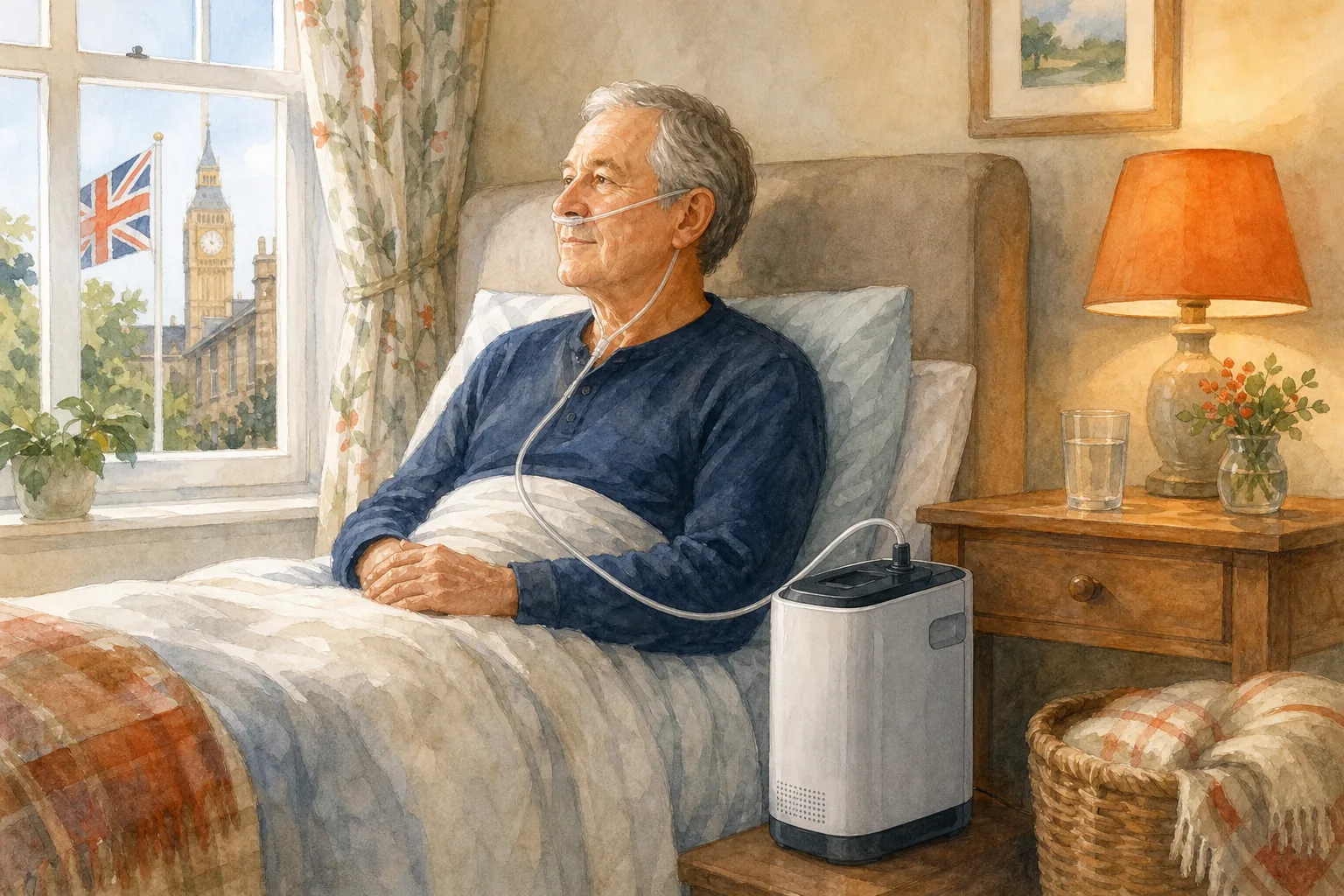
Need a reliable oxygen source at home but don’t want to buy a machine? We’ll walk through what to expect when you rent an oxygen concentrator, who can benefit, costs to watch, and how to use it safely.
Table of Contents
What a Home Oxygen Concentrator Does
An oxygen concentrator pulls in room air, removes nitrogen with a zeolite sieve, and delivers concentrated oxygen through a nasal cannula or mask. The device can run continuously as long as it has power, so there’s no gas tank to replace. This makes it far more convenient for long‑term home therapy than an oxygen cylinder.
Two delivery modes exist. Continuous‑flow units push a steady stream of oxygen regardless of breathing pattern, the choice for patients who need oxygen while sleeping or who have higher, constant demands. Pulse‑dose machines detect the start of an inhalation and release a short burst of oxygen only then, which saves battery life and keeps the unit lightweight for mobility.
Because the prescription tells the doctor the exact flow rate (in litres per minute) and whether continuous or pulse delivery is required, you should never switch modes without medical guidance. The right mode ensures the patient receives enough oxygen without over‑oxygenating, which can be harmful.
Concentrators also avoid the safety risks of pressurised cylinders, and they produce oxygen on‑demand, so you never run out mid‑night.
Pro Tip:Ask the provider whether the unit includes a battery backup, it’s a lifesaver during power cuts.
Who May Need to Rent One—and What the Doctor Must Decide
Anyone whose blood‑oxygen level regularly falls below the target set by their physician may be prescribed supplemental oxygen. Common conditions include chronic obstructive pulmonary disease (COPD), post‑COVID lung damage, pulmonary fibrosis, heart failure with respiratory involvement, and recovery after major surgery.
The doctor’s prescription will state the required flow rate (e.g., 2 L/min) and the delivery mode. For patients who need oxygen while sleeping, a continuous‑flow device is usually required because pulse‑dose units may miss breaths during slow, deep sleep.
Renting makes sense for short‑term needs such as post‑surgical recovery or a temporary flare‑up of symptoms. It also lets families avoid the upfront cost of a machine that may only be needed for a few months.
For long‑term conditions like COPD, many families choose rental because it bundles maintenance, service, and flexible terms, a convenient option when budgets are tight.
We always start with the doctor’s order, then match the prescribed flow to a device that fits the patient’s daily routine and living space.
Rental Pricing, Duration and Questions to Ask
Pricing varies by city, brand, and rental term. At Healthy Jeena Sikho , rental rates are available on request, with daily or weekly options available for short stays. The exact rate appears on the product page, so check the latest figure before you commit.
Key questions to ask each provider:
What rental periods are offered, daily, weekly, monthly?
Does the price include delivery, set‑up, and a technician demo?
Are maintenance checks and filter replacements covered?
What brands and flow capacities are available?
Is there a security deposit, and how is it returned?
Understanding the contract helps avoid surprise fees when the rental ends.
Ask providers what safety documentation they can share for the equipment.
When you compare offers, look for providers that are transparent about these points, the ones that hide details often cut corners on service.
Setting Up and Using a Concentrator Safely at Home
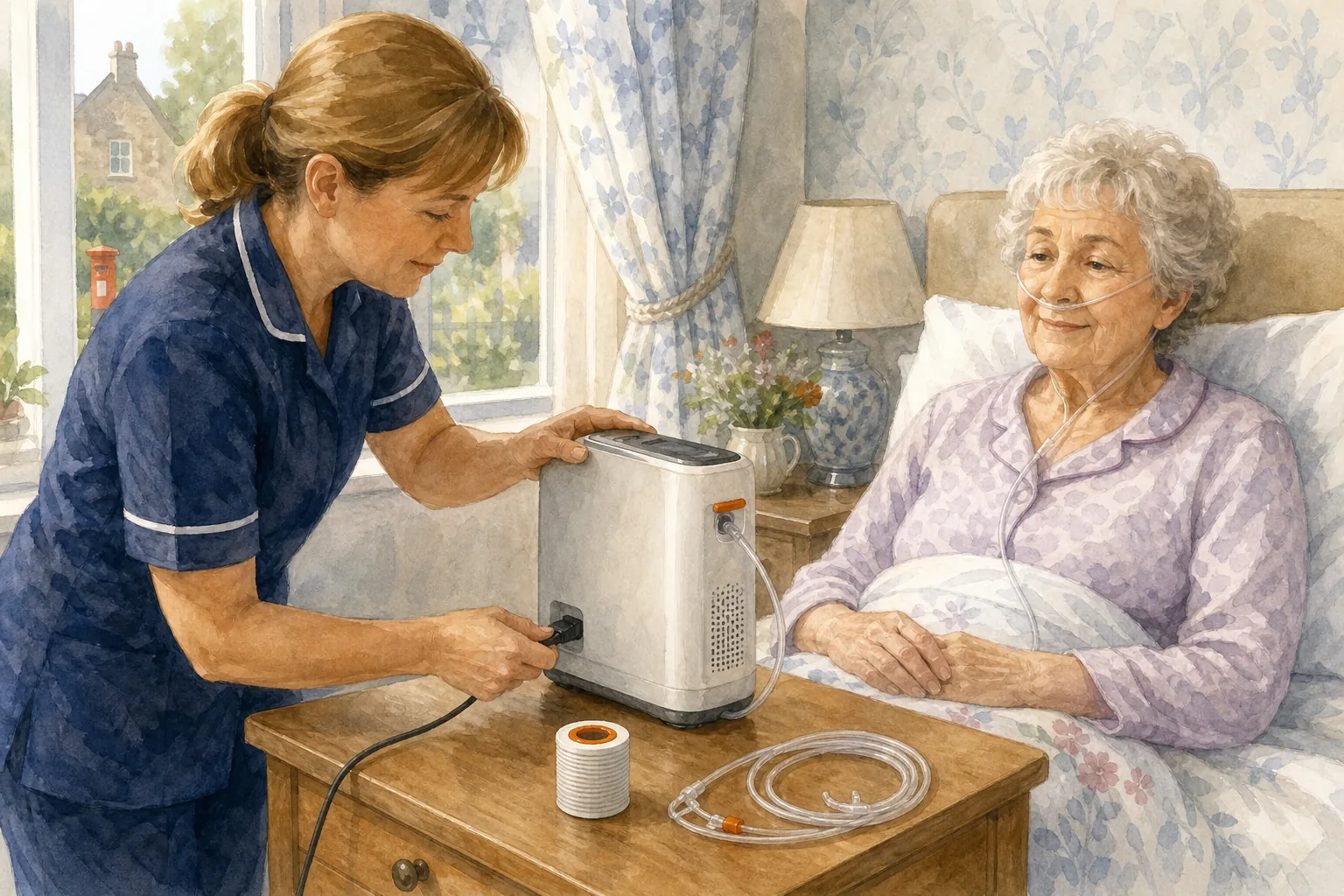
First, place the unit on a stable surface near a power outlet. Keep at least 30 cm of clearance on all sides to allow proper airflow. Plug it in, turn the power switch on, and let the machine run for a few minutes to reach its rated oxygen purity.
Next, attach the nasal cannula or mask. Ensure the prongs fit snugly without pinching the skin. If the cannula irritates the nostrils, a water‑based saline spray can keep the tissue moist.
Set the flow rate exactly as the doctor prescribed. Do not adjust it on your own, a higher setting can cause oxygen toxicity, while a lower setting may leave the patient under‑oxygenated.
Noise can be a concern for light sleepers. Choose a model that operates below 48 dB, which is quiet enough that most people won’t notice it during the night.
Regular maintenance includes checking the air filter every two weeks and cleaning it as instructed in the user manual. A dirty filter reduces oxygen output and can strain the machine.
For safety guidance, follow the device’s user manual and your doctor’s instructions.
Key Takeaway:Keep the device on a flat, ventilated surface, follow the prescribed flow, and service the filter regularly to maintain safe, effective therapy.
Arranging a Rental and Planning for the Next Stage
When you decide to rent, we start with a simple online request. After confirming the model and flow rate, we schedule a delivery that fits your timeline, many families in Delhi, Chandigarh, and Lucknow receive the unit within a few hours.
Our technicians visit the home, demonstrate how to turn the machine on, attach the cannula, and explain basic troubleshooting. They also provide a printed quick‑start sheet that lists the emergency contacts and the steps to take if the unit alarms.
At the end of the rental, you have three options: return the device, extend the rental period, or discuss a purchase plan if the therapy is expected to continue long‑term. We’ll collect the machine, sanitize it, and prepare it for the next family.
We can arrange the rental through our Oxygen Machine on Rent service, which includes same‑day delivery in many of our 15‑city network.
Frequently Asked Questions
Can I use a rented concentrator for travel?
Yes, many portable models are FAA‑approved for air travel, but you must bring the doctor’s oxygen‑necessity form and confirm the airline’s policy before you fly.
What happens if the power goes out?
If the unit has a built‑in battery, it will run for a few hours at the prescribed flow. For longer outages, keep a backup cylinder on hand as advised by your physician.
Do I need a special outlet?
Most units run on standard 220‑V household sockets. If you live in a region with frequent voltage fluctuations, ask the provider for a voltage stabiliser.
How often should the filter be changed?
Filter replacement depends on usage, but a good rule is to inspect it every two weeks and replace it when it looks dirty or when the device alarms for low purity.
Is the rental price tax‑inclusive?
Ask the provider whether the quoted rental price includes applicable taxes.
Conclusion
Renting an oxygen concentrator gives you a flexible, cost‑effective way to ensure continuous oxygen therapy at home. Reach out to Healthy Jeena Sikho to start the rental process and get your device set up within hours.



Comments