
CPAP Rental in Delhi: Costs, Fit and Care

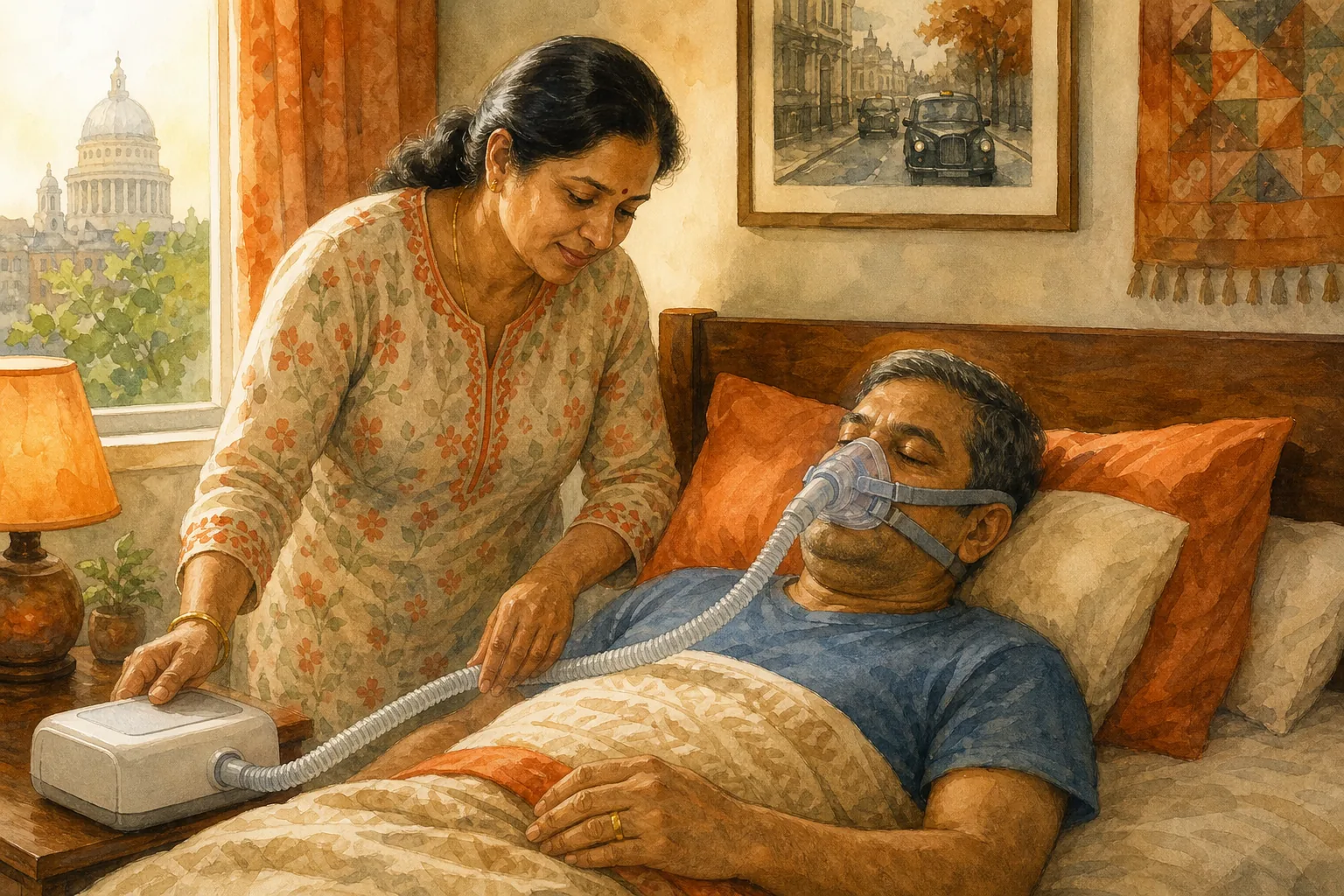
An affordable CPAP machine rental in Delhi can help you start prescribed sleep apnea care without buying a machine first. Before arranging one, check the monthly charge, delivery window, mask fit and what happens if the rental needs to change.
Table of Contents
What Determines the Cost of CPAP Rental in Delhi?
There isn’t one fixed rental price for every CPAP machine. The amount can depend on the model, rental length and what the provider includes with the machine. Ask for a current written quote for your address and the exact machine type your clinician prescribed.
Healthy Jeena Sikho lists CPAP machines for rent and sale. Its machine range includes options from ResMed, Philips, Karma, Esleh, Hero, Oxymed, Niscomed and BMC. Medrent rents by the month and offers 24/7 support, a free demo session and on-site setup. We keep rental prices current on the relevant CPAP machine page , so check there before you plan a monthly budget.
A monthly plan may suit ongoing treatment or a trial period. If you expect to need the machine for only a short time, ask how the rental period is counted. Find out when billing starts, whether you can extend the rental and how to arrange pickup when treatment ends.
The monthly charge is only one part of the decision. Ask what the quote includes, such as the machine, mask, tubing, humidifier, setup help or maintenance. These details affect what you need to arrange separately. Don’t assume every rental includes the same items.
Also ask how the provider handles a machine fault or a mask that doesn’t fit. A clear answer matters when a patient is preparing to sleep at home after discharge. You want to know who can help and what the next step will be, not work it out at midnight.
Key Takeaway:Compare the full written rental terms, not a monthly figure on its own.
How CPAP Therapy Works and When a Prescription Matters
CPAP means continuous positive airway pressure. The machine sends a steady flow of pressurized air through tubing and a mask. For obstructive sleep apnea, that airflow helps keep the upper airway open during sleep, reducing the chance that it will narrow or close.
CPAP is used to manage obstructive sleep apnea. It can also reduce snoring when the snoring is linked to airway obstruction, but snoring alone doesn’t confirm sleep apnea or show that CPAP is the right treatment. A clinician needs to assess the symptoms and test results.
A prescription or written treatment plan helps connect the rental machine to the patient’s care. Ask the treating clinician to state the device type and prescribed settings. Don’t copy settings from another person’s machine, and don’t change pressure settings yourself. If the patient’s plan is unclear, check with the clinician before arranging delivery.
CPAP uses one pressure level through the breathing cycle. BiPAP uses different pressure levels for breathing in and out. They aren’t interchangeable choices for a family to make based on price or comfort alone. The treating clinician should decide which therapy is appropriate.
Before confirming a rental, ask how the prescribed settings will be entered and checked. Make sure the person receiving the machine understands how to start and stop it, and whom to contact if the patient feels unwell or the device behaves unexpectedly.
Families arranging equipment alongside a hospital discharge may also find our CPAP rental planning guide useful for reviewing the prescription, delivery and rental terms together.
Choosing a Mask and Getting a Comfortable Fit
The mask is the part of CPAP therapy the patient feels all night, so fit deserves close attention. A poor fit may leak air or press on the face. The right style depends on how the patient breathes, the shape of their face and what the clinician or equipment support team advises.
A nasal mask covers the nose. Nasal pillows sit at the nostrils, while a full-face mask covers both the nose and mouth. A person who breathes through their mouth during sleep may need to discuss a full-face option with their care team. Nasal styles leave more of the face clear, which some people prefer.
Fit is personal. A size that works in one mask design may not fit another. When trying a mask, adjust the straps as directed and check for a steady seal in the position the patient normally sleeps in. It should feel secure, not painfully tight. Air blowing toward the eyes or a repeated hiss can point to a leak.
Don’t treat a leak by pulling the straps tighter and tighter. That can make pressure points worse without fixing the fit. Ask for help with the mask size or style if the patient has sore skin, dry eyes or trouble keeping the seal. A small fit issue can make a new user reluctant to wear the device.
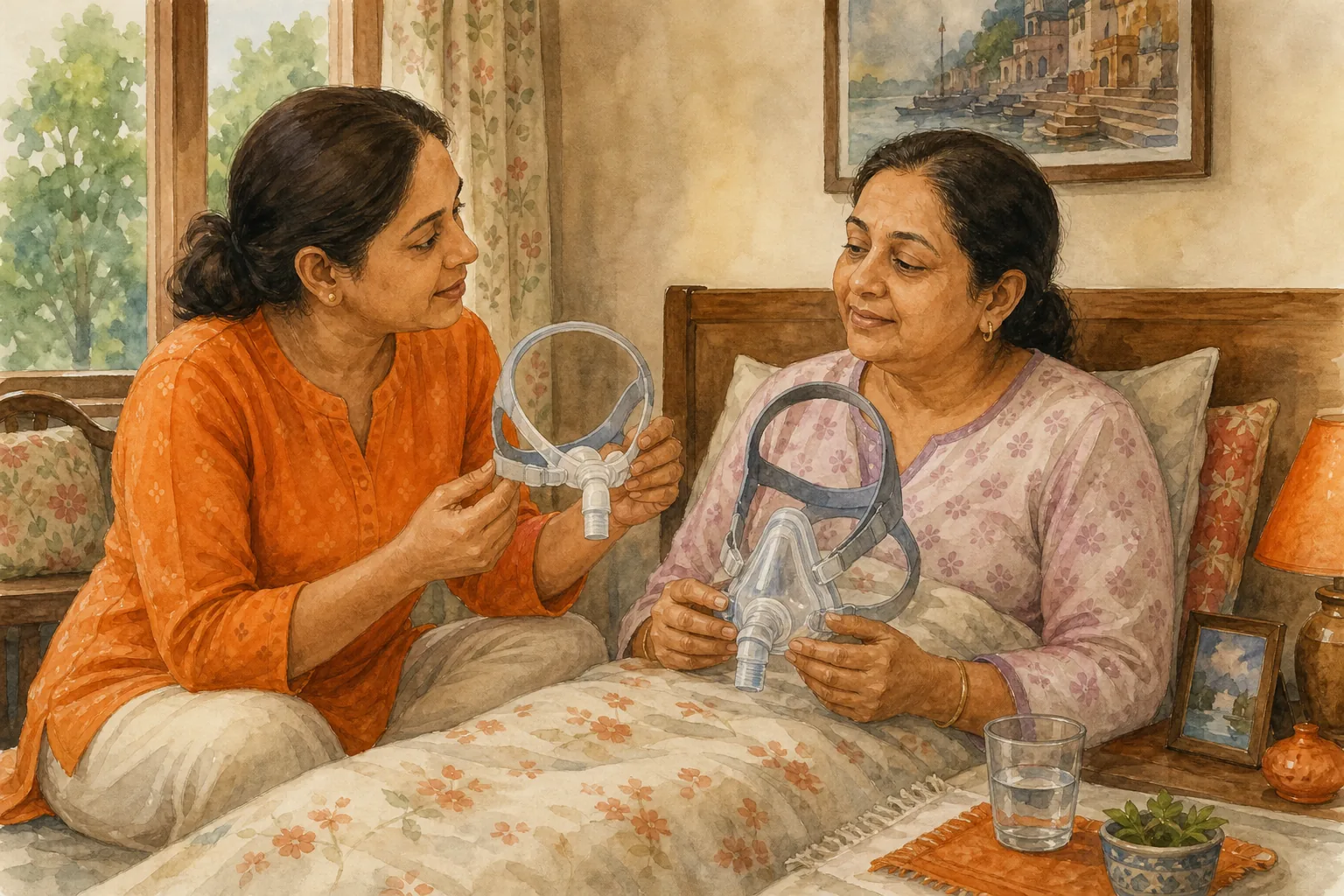
Give the patient time to get used to the mask while awake, if their care team agrees. A few calm practice sessions can make the feel of the mask and tubing less surprising at bedtime. If discomfort persists, contact the treating clinician or rental support rather than giving up on therapy or changing settings.
Before delivery, ask whether a mask is included in the rental and how the size is chosen. If the patient already has a suitable mask, confirm whether it can be used with the selected machine and tubing. The machine, mask and prescription need to work as one setup.
Pro Tip:At handover, have the patient try the mask while sitting up. Check for comfort and leaks before the first night.
Arranging Rental and Delivery in Delhi
Start with the prescribed device type and settings. Then confirm that the rental service covers the patient’s exact address. “Delhi” can mean a wide delivery area, so share the locality and ask for the expected delivery window before you commit.
Healthy Jeena Sikho has a rental service network across 15 cities in North India, including Delhi. Four-hour express delivery is available in many locations, but availability depends on the location. Confirm the timing for your address rather than assuming the same window applies across the city.
When you request a quote, ask for the rental period and billing start date in writing. Confirm the machine model, included parts and how to request an extension. Ask what to do if the machine needs repair or the patient’s plan changes. These points help a caregiver manage the handover without surprises.
At delivery, check that the machine and accessories match the agreed order. Ask for a demonstration of the basic setup, cleaning steps and display indicators. Make sure the caregiver knows how to contact the rental team if a part is missing or the machine doesn’t start.
For an affordable CPAP rental in Delhi, check the whole process, not just the delivery speed. Can the supplier confirm the prescribed type? Is the delivery window clear? Does the family know how to return or extend the rental? Those answers make it easier to plan care around work, hospital discharge or a patient’s sleep schedule.
For more information, see our rental contract overview . Read the agreement before accepting the machine, and keep a copy where the caregiver can find it.
If the patient is outside the service area for rentals, don’t assume a delivery can be arranged. Healthy Jeena Sikho rentals are limited to its North India service cities, while equipment sales are available across India. Ask which service applies to your location before making plans.
Daily Use, Cleaning, Noise and Travel Considerations
Use the CPAP machine as directed by the treating clinician. A family can help by keeping the machine on a stable surface and making sure the tubing won’t pull when the patient turns in bed. Keep the air intake clear, and follow the device instructions for water or humidifier use.
Clean the mask and other reusable parts on the schedule and in the way set out in the manufacturer’s instructions. Use only cleaning products the instructions allow. Let cleaned parts dry fully before use. Don’t immerse the main machine unless the manual specifically says it is safe to do so.
Before each night, take a quick look at the mask, tubing and connections. Check for a loose joint, visible damage or moisture where it shouldn’t be. If the machine shows an alert, use the manual or ask the rental support team what it means. Don’t guess at a fix that involves changing therapy settings.
CPAP machines make some operating sound, but the level varies by device and room setup. Ask whether you can hear the machine before the rental begins, or request guidance on placement. Keep the unit on a firm, level surface and avoid blocking its air intake. A mask leak can also create noise, so check fit before blaming the machine.
For travel, ask about the rented unit’s size, carry case and power needs. Don’t assume a standard home machine has a battery or will run from a travel power source. Confirm these details with the supplier and the device instructions before leaving. Carry the prescribed settings information, and don’t alter them to make travel easier.
If the patient will stay away overnight, plan how the machine and mask will be packed and kept clean. Keep the tubing from bending sharply in the bag. When travelling by air, check current airline requirements for medical devices before departure, and ask the clinician or rental team if the patient’s care plan needs any change.
Keep a note of problems that recur, such as dry mouth, nose discomfort, mask leaks or trouble sleeping with the machine. That record gives the clinician or support team useful detail. Don’t stop prescribed therapy or adjust settings without medical advice.
Families comparing delivery areas across North India can check our CPAP rental coverage guide while planning where the machine will be used.
Frequently Asked Questions
Do I need a prescription to rent a CPAP machine in Delhi?
Ask the treating clinician for a written plan before arranging a CPAP machine. The plan should clarify the device type and prescribed settings, so the rental matches the patient’s care. Rental requirements can vary, so confirm what documents are needed with the service team. Never use another person’s settings or adjust pressure without medical guidance.
How much does CPAP rental cost in Delhi?
CPAP rental cost depends on the machine, term and what the rental includes. Healthy Jeena Sikho’s current pricing is shown on its CPAP machine page. Check the page and request a current quote for your address before booking. Ask whether the amount covers the mask, tubing, setup or other items you’ll need.
Can CPAP stop snoring?
CPAP may reduce snoring when it is linked to obstructive sleep apnea, because the prescribed airflow helps keep the airway open during sleep. Snoring can have other causes, so it isn’t enough on its own to decide that CPAP is needed. Ask a clinician about assessment if snoring comes with pauses in breathing or daytime sleepiness.
Which CPAP mask should I choose?
The right mask depends on the patient’s breathing habits, comfort and fit. Nasal masks cover the nose, nasal pillows rest at the nostrils, and full-face masks cover the nose and mouth. Ask the clinician or fitting support team to help choose a style and size. A mask shouldn’t cause pain or a persistent air leak.
Can I travel with a rented CPAP machine?
You may be able to travel with a rented machine, but check its size, power needs and travel rules before leaving. Ask the rental team whether the specific unit is suitable to carry. Don’t assume it has a battery or can use any power source. Keep the prescribed settings unchanged unless the treating clinician directs otherwise.
Conclusion
Choose a rental that matches the clinician’s plan and gives your family clear terms for delivery, mask fit and support. Check Healthy Jeena Sikho’s CPAP machine page for current pricing, then confirm availability and delivery timing for your Delhi address before arranging the rental.

this is a helpful guide for anyone considering cpap rental in delhi. the breakdown of costs beyond just the monthly fee is particularly useful, as it's easy to overlook things like mask fit and support. having clear information on delivery and what happens if the machine needs service makes the process feel much more manageable for someone starting therapy. Image To SVG